India Revolutionizes Halal Meat Exports with Comprehensive New Certification Framework
(Source: Trade World News)
Major Policy Transformation Takes Effect
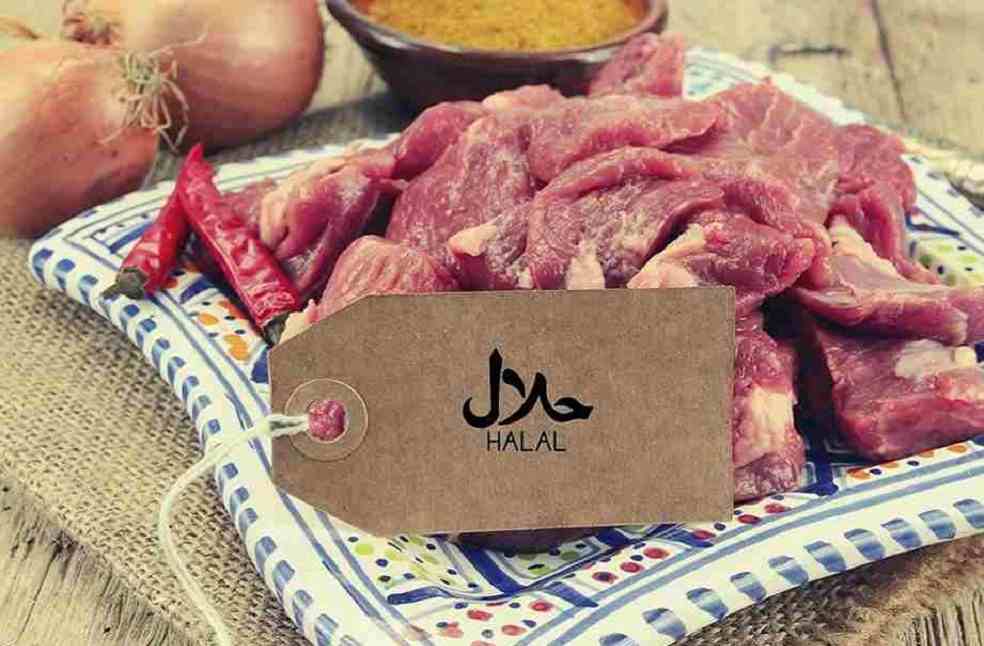
India has introduced sweeping new regulations for halal meat exports, officially implemented on October 16, 2024, marking a fundamental shift in the country’s approach to international halal trade. The Directorate General of Foreign Trade (DGFT) announced these comprehensive guidelines on October 1, 2024, establishing mandatory requirements that all halal meat products must undergo processing in facilities certified under the India Conformity Assessment Scheme (i-CAS) Halal framework.
Strategic Market Focus: 15 Key Destinations
The new regulatory framework specifically targets 15 strategic markets identified as priority destinations for Indian halal meat exports. These markets include major economies across the Middle East and Asia: Bahrain, Bangladesh, Indonesia, Iran, Iraq, Kuwait, Malaysia, Jordan, Oman, the Philippines, Qatar, Saudi Arabia, Singapore, Turkey, and the United Arab Emirates.
The guidelines encompass a comprehensive range of products, covering both fresh and frozen meat from bovine animals, sheep, and goats, as well as processed meat products including sausages. All production, processing, and packaging facilities must obtain certification from bodies accredited by the National Accreditation Board for Certification Bodies (NABCB) under the Quality Council of India’s oversight.
Compliance Requirements and Post-Export Obligations
Under the new system, exporters bear additional responsibilities beyond initial certification. They must provide valid halal certification documentation to buyers in importing countries following shipment completion, ensuring full traceability and compliance throughout the export process.
Timeline Extensions Accommodate Industry Transition
The implementation follows the Indian government’s earlier decision to extend accreditation deadlines, providing additional time for industry adaptation. Originally scheduled for April 5, 2024, the deadline for existing halal certification bodies to obtain NABCB accreditation under the i-CAS Halal framework was extended by three months to July 4, 2024. This extension allowed certification bodies and export facilities adequate time to meet new regulatory requirements.
From Private to Standardized: India’s Certification Evolution
Historically, India operated without a national regulatory framework for halal certification, relying instead on private entities such as Halal India Pvt Ltd and Jamiat Ulama-i-Hind Halal Trust to manage certification processes. The introduction of the i-CAS Halal scheme represents a significant governmental step toward establishing standardized certification procedures designed to streamline halal meat exports and address growing demand in Muslim-majority countries.
Prior to i-CAS implementation, India lacked mandatory government-regulated halal certification systems despite ranking among the world’s largest meat exporters. This regulatory gap meant India’s halal industry remained in developmental stages, with no specific labeling requirements for halal food products entering the domestic market.
Capitalizing on Massive Global Market Opportunity
The global halal food market, valued at US$1.97 trillion in 2021, is projected to reach US$3.9 trillion by 2027, representing enormous growth potential. India’s regulatory initiative aligns strategically with rapidly expanding global demand for halal products, particularly in Muslim-majority nations including Indonesia, Malaysia, the UAE, and Pakistan—all of which maintain distinct halal certification standards.
Navigating International Certification Complexity
Despite significant market opportunities, global halal certification standards remain unharmonized, creating challenges for international exporters. Countries including Indonesia, Malaysia, Thailand, and the UAE have developed independent national halal frameworks, while the International Halal Accreditation Forum (IHAF) works toward standardizing halal requirements across member economies. The absence of unified global halal standards continues to present complexities for exporters seeking to meet diverse regulatory requirements across different markets.
Strengthening India’s Competitive Position
The i-CAS Halal scheme implementation significantly enhances India’s competitive position in the global halal meat market by ensuring Indian exporters comply with international halal certification requirements. This regulatory advancement improves the credibility of Indian meat products while opening access to more lucrative international markets.
With halal technologies and innovations experiencing rapid growth, this strategic move positions India to capture substantial market share in the expanding halal industry, particularly as demand continues surging throughout Southeast Asia and the Middle East. The new certification framework is expected to enhance India’s reputation as a reliable halal product supplier while contributing significantly to the country’s overall export growth trajectory in coming years.
Original Article:
India Briefing. (2025, September 15). India implements new certification guidelines for halal meat exports effective October 16. India Briefing. Retrieved from https://www.india-briefing.com/news/india-implements-new-certification-guidelines-for-halal-meat-exports-effective-october-16-34683.html/