Morocco Enforces Stringent Halal Standards for Red Meat Imports
Comprehensive safety framework protects consumers
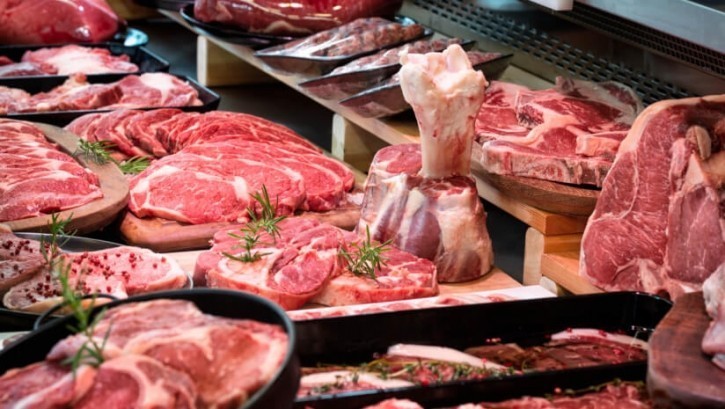
Morocco is intensifying efforts to ensure the safety plus quality of imported red meat through a rigorous control system implemented by the National Office for Food Safety (ONSSA).
Designed to safeguard public health, the framework applies to all imported meat, whether fresh or frozen, prioritizing compliance with both national alongside international standards.
Pre-authorization screening eliminates risky suppliers
ONSSA’s process begins long before meat reaches Moroccan borders. Only countries passing an in-depth risk assessment by ONSSA experts receive authorization to export red meat to Morocco.
The evaluation examines sanitary conditions of slaughterhouses plus the competence of veterinary inspectors in exporting nations.
Countries like the United States, Australia, EU member states are among those permitted to supply goat plus sheep meat, while beef imports also receive approval from Brazil, Paraguay, Ukraine.
Border inspections verify documentation standards
Once imported meat arrives in Morocco, extensive border checks occur. ONSSA ensures all shipments are accompanied by valid health certificates issued by relevant authorities in the country of origin.
Inspectors verify these documents while conducting physical inspections to confirm proper cold storage, transportation conditions, labeling compliance.
Islamic slaughter verification remains mandatory
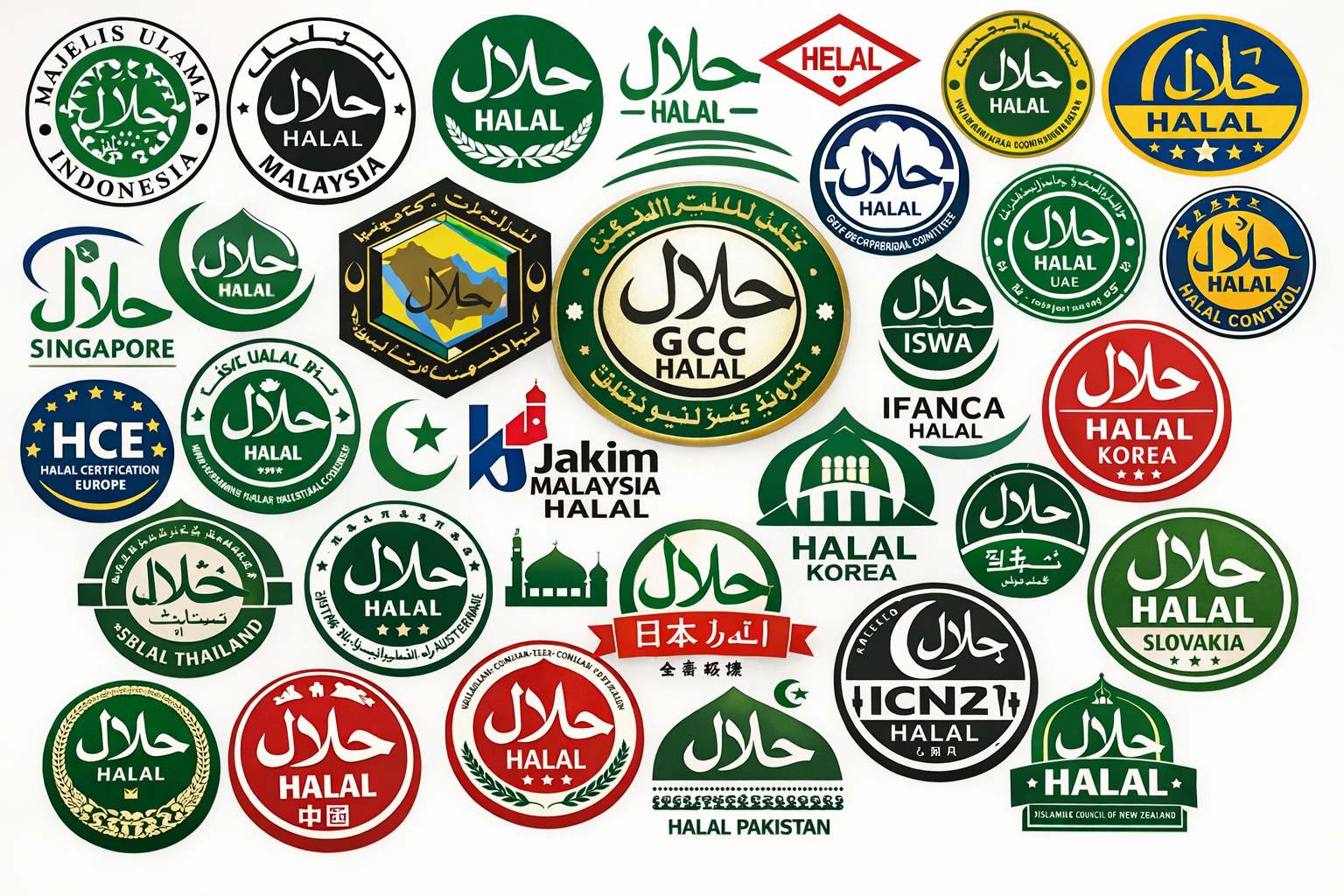
Another critical aspect of ONSSA’s oversight involves verifying that all imported meat adheres to Islamic slaughter standards. Certifications from authorized religious bodies in exporting countries are required to confirm compliance. Beyond documentation, samples undergo laboratory testing to detect any traces of chemical contaminants or veterinary drug residues, further guaranteeing meat safety for consumers.
By implementing the meticulous system, Morocco ensures that imported meat meets the highest safety plus quality standards. Consumers can trust that meat available in markets is not only halal-certified but also free from harmful substances while sourced from reliable suppliers.
Government expands import capacity
Last Thursday, Morocco’s government council, led by Prime Minister Aziz Akhannouch, convened to address key legislative plus economic priorities, including stabilizing the country’s red meat market.
Among the measures adopted was draft decree No. 2.24.1050, which revises earlier decrees from January plus October 2024 to increase import quotas while extending the suspension of duties on cattle plus sheep imports.
Balancing religious compliance with market demands
Morocco’s approach demonstrates how nations can harmonize religious dietary requirements with contemporary food safety protocols while addressing domestic supply challenges. The multi-layered inspection regime—spanning pre-authorization risk assessments, border documentation verification, physical inspections, laboratory testing, halal compliance certification—establishes a comprehensive model protecting both religious observance plus public health interests. As global meat trade expands, such integrated frameworks may serve as templates for other Muslim-majority nations seeking to balance import liberalization with stringent halal standards.
Original Article:
Morocco World News. (2025, October 9). Morocco tightens rules on imported red meat with strict halal standards. Retrieved from https://www.moroccoworldnews.com/2024/11/167999/morocco-tightens-rules-on-imported-red-meat-with-strict-halal-standards/