British Meat Exports to Europe: Quality, Heritage, Halal Certification Drive Continental Demand
Premium livestock breeds establish competitive advantage
As demand for high-quality meat continues to grow across Europe, British meat has carved out a strong and trusted position in the European market. Dorit Cohen, International Trade Development Manager, outlines what sets the UK apart.
From its globally recognised livestock breeds to year-round supply, including halal-certified products, the UK meat sector offers a compelling package that appeals to both mainstream and specialist buyers across the continent.
The answer lies in a combination of taste, trust and tailored supply regarding what makes British meat stand out in a competitive global market and the key drivers and differentiators that make UK meat—especially lamb and beef—attractive to European buyers.
Climate plus farming practices yield superior flavor
British meat, especially lamb, is celebrated across Europe for its balanced flavour and tender texture—a result of the UK’s temperate climate, natural grazing systems and high-welfare farming practices.
The UK is also the birthplace of some of the world’s most prized livestock breeds, including Texel, Suffolk, Swaledale, Black Welsh Mountain (sheep); Angus, Hereford (cattle).
These breeds are selectively developed for their meat quality, marbling and eating characteristics, giving British meat a premium edge that’s difficult to replicate.
Tailored processing meets diverse preferences
British exporters have the experience and skill to deliver market-specific carcases and cuts tailored to European preferences and industries.
Whether it’s bone-in lamb for traditional home-cooked dishes, dry-aged beef for fine dining or custom-packaged retail cuts, UK meat processors understand the needs of diverse consumer bases across France, Germany, the Netherlands and beyond.
Year-round consistency ensures supply security
One of the key reasons European buyers favour British meat is the dependability of supply. UK processors and exporters offer consistent volumes throughout the year, ensuring that supermarkets, foodservice providers and wholesalers can meet their customer demand season after season, all without the need to switch between suppliers.
Heritage branding reinforces quality perceptions
British meat is more than just a label—it’s a brand built on quality, high animal welfare and traceability. UK farmers and processors are proud custodians of a food heritage that values integrity and environmental responsibility.
Assurance schemes like Red Tractor, alongside transparent supply chains, help reinforce confidence among European buyers that they’re sourcing meat from a trusted and regulated system.
Halal certification captures growing European Muslim market
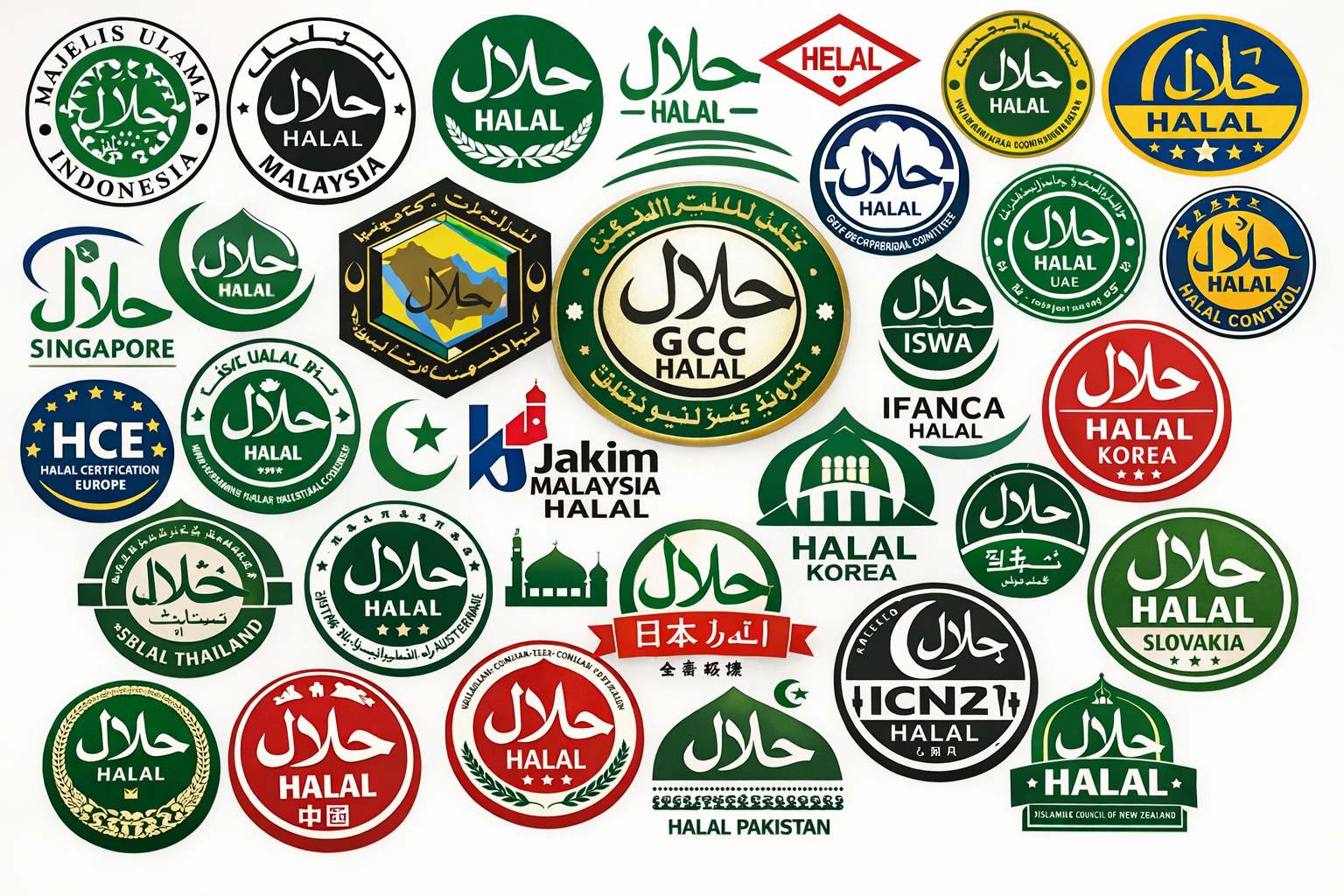
An increasingly important factor for European buyers—particularly in France and Germany—is the supply of certified halal meat.
The UK is a reliable and trusted supplier of halal lamb, meeting the religious and quality requirements of Europe’s large and growing Muslim populations.
With rising demand from ethnically diverse urban centres, British halal meat is playing a crucial role in supplying a market that values both faith-based preparation and high product standards.
AHDB offers export support services
Whether you’re an experienced exporter aiming to grow your presence in Europe or you’re just starting to explore opportunities in the market, AHDB is available to help.
The organization supports businesses with the insights, connections and resources needed to navigate the European market with confidence.
Strategic positioning leverages multiple advantages
Britain’s halal meat export success reflects how religious certification can complement rather than contradict premium branding when integrated thoughtfully within broader quality narratives. By positioning halal alongside heritage breeds, animal welfare standards, year-round supply reliability, the UK avoids pigeonholing halal as a niche specialty, instead presenting it as one attribute within a comprehensive value proposition appealing to diverse European buyer segments.
The emphasis on France and Germany—home to Europe’s largest Muslim populations (approximately 5-6 million and 5 million respectively)—demonstrates data-driven market targeting where halal certification addresses specific demographic needs within broader national markets. Urban concentration of Muslim populations in Paris, Berlin, Frankfurt creates retail density supporting specialized halal distribution networks while maintaining volumes justifying dedicated production lines.
The Red Tractor certification mention alongside halal reflects how multiple quality assurance schemes can coexist, with mainstream buyers prioritizing animal welfare and traceability while halal buyers require religious compliance. UK processors serving both markets benefit from economies of scale, though as earlier articles noted, the lack of mandatory halal labeling means many non-Muslim European consumers unknowingly purchase halal-certified meat—a transparency issue advocates argue undermines consumer choice.
Post-Brexit trade dynamics add complexity, as UK meat exports to the EU face customs procedures, veterinary checks, and documentation requirements that previously didn’t exist. The AHDB’s export support services likely address these regulatory hurdles, though the article strategically avoids mentioning Brexit’s impact on what was previously seamless intra-EU trade.
Original Article:
Agriculture and Horticulture Development Board. (2025, October 19). Why European buyers choose British: quality, heritage and halal. Retrieved from https://ahdb.org.uk/news/why-european-buyers-choose-british-quality-heritage-and-halal