JHCPO Showcases Halal Japanese Products at Foodex Saudi 2025 in Jeddah
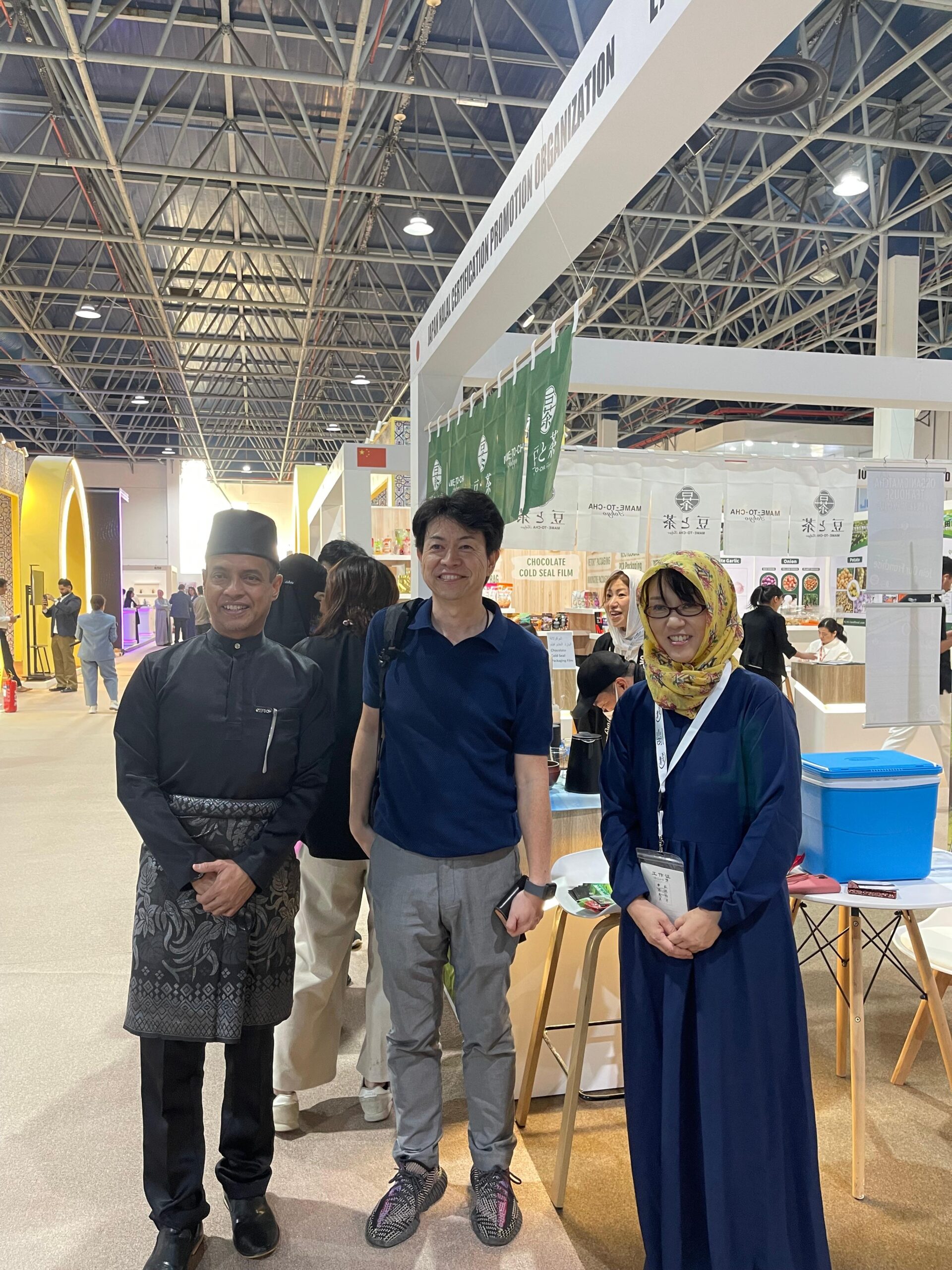
Jeddah, Saudi Arabia — The Japan Halal Certification Promotion Organization (JHCPO) took part in the international exhibition Foodex Saudi 2025, held from 3–6 November 2025 in Jeddah. The organization’s participation marks a strategic effort to expand the reach of halal Japanese products across the Middle East, particularly in Saudi Arabia—one of the world’s largest and most promising markets in the halal industry.
Main Objective: Understanding Saudi Market Interest in Halal Japanese Products
During the exhibition, JHCPO sought firsthand insights into the needs and preferences of Saudi consumers regarding halal-certified Japanese products. The organization focused on identifying potential distributors and business partners for products such as matcha, green tea, bonito, skincare items, fabric materials, and one of Japan’s most renowned exports—halal wagyu beef.
Preparations took place on 1–2 November 2025, including venue setup and logistical coordination. The event officially opened on 3 November and drew strong interest from visitors across the Middle East throughout its four-day run.
Strong Saudi Interest in Halal Wagyu Beef
One of the most notable findings from the exhibition was the high level of enthusiasm for halal wagyu beef. Culinary entrepreneurs, restaurant owners, and importers expressed a strong desire to establish distribution partnerships. This interest was driven by several factors:
- A strong meat-consumption culture — Saudi consumers traditionally prefer meat over fish, with local cuisine dominated by beef, chicken, lamb, and even camel.
- The premium reputation of Japanese wagyu — Visitors highlighted wagyu’s superior marbling, tenderness, and aroma, which align well with local taste preferences.
- Trusted halal certification — JHCPO’s role as an established halal certification body in Japan further strengthened confidence among potential partners.
JHCPO’s team also explored key market insights, including local steak-house trends, premium pricing structures, preferred sauces and seasonings, and general meat-consumption habits—essential data for crafting a locally tailored marketing strategy for wagyu.
Consumer Preferences: Matcha Outshines Green Tea
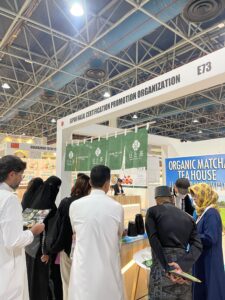
JHCPO also recorded diverse reactions toward Japanese beverages:
- Sweetened matcha products were more popular — Saudi consumers generally prefer sweeter flavors, making matcha blended with milk or sugar highly appealing.
- Green tea attracted interest mainly from women — Many visitors associated it with detox and diet purposes, often referring to it as a “slim tea.”
Japanese Sweets, Skincare, and Mt. Fuji Lava-Based Textiles Draw Significant Interest
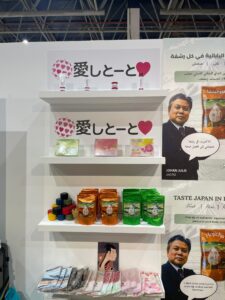
Beyond staple foods, JHCPO identified promising opportunities in several other categories. Japanese desserts and sweet snacks drew considerable attention due to Saudi consumers’ preference for sweet flavors. Many visitors expressed interest in Japan’s soft and delicate dessert varieties. Some even suggested that JHCPO bring samples—such as Japanese sponge cakes—to future exhibitions for direct tasting.
Japanese skincare also became a major attraction, especially for women and beauty-industry professionals. Japanese beauty products are widely recognized for their quality, safety, and suitability for Saudi Arabia’s dry climate. Interest grew even further when visitors learned that these products could be halal-certified, opening avenues for broader commercial collaboration.
Remarkably, JHCPO also received strong inquiries about Japanese textile products, particularly those made using Mt. Fuji lava fiber. This innovative material is valued for its unique texture, durability, and high quality. Visitors viewed the fabric as a promising option for various industries, including fashion, sportswear, and wellness products. The combination of natural Japanese elements with advanced textile technology gave these materials a distinctive appeal.
Market Challenges and Feedback
Despite the overwhelmingly positive response, several visitors noted that the prices of imported Japanese products remain relatively high. This feedback serves as an important consideration for JHCPO and Japanese manufacturers to adjust pricing strategies in order to remain competitive in the Saudi market.
Strategic Recommendations for JHCPO
Based on insights gathered during the exhibition, JHCPO is considering several strategic steps moving forward:
- Introducing Japanese desserts such as sweet sponge cakes to better match Saudi taste preferences.
- Offering wagyu tasting samples to allow potential partners to experience its quality firsthand.
- Adjusting pricing strategies to align with market expectations.
- Enhancing promotional efforts for Japanese skincare and innovative textile products made from Mt. Fuji lava fiber.
The participation of JHCPO in Foodex Saudi 2025 demonstrates the vast potential for halal Japanese products in Saudi Arabia—not only in food and beverages, but also in cosmetics, fashion, and advanced material sectors. Moving forward, JHCPO aims to strengthen business networks and open more extensive export pathways for halal Japanese products across the Middle East.