Saudi Arabia Meat Market Poised for Strong Growth Through 2033
By univdatos
Market Valuation Expected to Surge at 4.84% CAGR Driven by Urban Protein Demand
The Saudi Arabia Meat market was valued at USD 12,900.00 million in 2024, expected to grow at a strong CAGR of around 4.84% during the forecast period (2025-2033F), driven by increased demand for protein-rich diets, especially in urban centers.
Meat is animal tissue, usually that of cattle, poultry, sheep, or goats, that is killed, consumed by people. It is sold fresh, cooked, frozen, also including muscle with organ cuts. Meat is a commodity that serves as both a basic staple with a staple of traditional cuisine in Saudi Arabia, as well as a fundamental ingredient in religious celebrations; hence, it is a food product with year-round demand.
Companies Enhance Production Capacity, Supply Chain Infrastructure
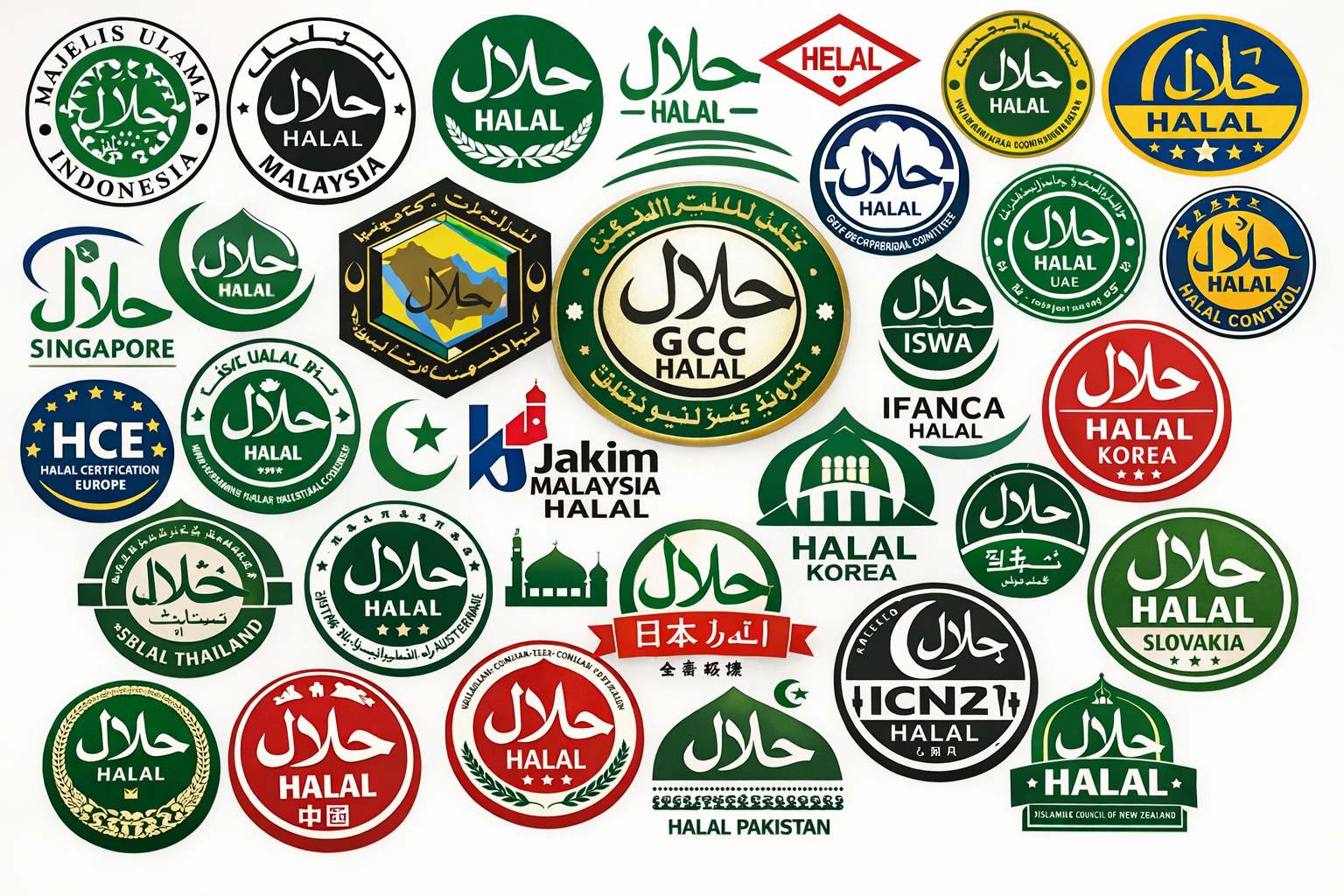
To achieve growth in the Saudi Arabia meat market, companies are increasing domestic meat production capacity, acquiring new technology, developing supply chain infrastructure. Furthermore, companies are focusing on integrating vertically, such as in feed manufacturing with retailing, to enhance the efficiency, quality of their products. Furthermore, consumers are increasingly opting for frozen, processed, value-added meat products to meet their needs for convenience with variety. Moreover, the companies are making progress towards Vision 2030 by decreasing the level of imports, investing in smart farming, increasing halal acceptability to increase the local trust with export aptitude.
For example, on March 06, 2025, the Ministry of Environment, Water, Agriculture reports a significant increase in red meat production in the Kingdom, reaching over 270,000 tons in 2023. This growth supports local production while strengthening food security, aligning with Saudi Vision 2030 goals. According to the ministry, the Kingdom has achieved a 61% self-sufficiency rate in red meat, reflecting ongoing efforts to boost domestic production while reducing import reliance.
Saudi Arabia Meat Market Trends
This section discusses the key market trends that are influencing the various segments of the Saudi Arabia Meat market, as found by our team of research experts.
The introduction of smart farming, including automated feeding systems, IoT-based health tracking, precision breeding, other technologies, is becoming the new standard in Saudi meat production, aiming for increased efficiency with productivity. The technologies assist in refining feed-to-meat ratios, reducing the levels of mortality, enhancing traceability. As pressure grows to meet local production with food security objectives in the context of the 2030 vision, technology is emerging as a strategic trend within livestock with poultry farms.
For example, on July 11, 2025, the Saudi Smart Flock system, launched under the Sustainable Rural Agricultural Development Programme (Saudi Reef), was implemented on six farms last year as part of efforts to modernize small-scale animal farming. The system identifies animals using facial features, tracks their productivity, monitors health, stores farm records in one platform.
Saudi Arabia Meat Market Segmentation
This section provides an analysis of the key trends in each segment of the Saudi Arabia Meat market report, along with forecasts at the regional, provincial levels for 2025-2033.
The Poultry Meat Market Dominated the Market Share in 2024
Based on the product type, the market is segmented into red meat, poultry meat, others. Among these, the poultry meat market dominated the market share in 2024 due to rising poultry consumption in Saudi Arabia. This steady demand helps the companies expand rapidly while providing variety to differentiate with fresh, frozen, value-added products. The poultry industry’s dominance also fosters investment in hatcheries, feed mills, processing plants, resulting in sustained market growth.
For instance, on July 14, 2025, Tanmiah Food Company’s strategic partnership with McDonald’s Saudi Arabia focuses on promoting the supply of locally sourced poultry to one of the world’s largest, most recognized quick-service restaurant chains, reinforcing both companies’ dedication to quality with local agricultural development.
The HORECA Market Expected to Grow with Considerable CAGR During Forecast Period
Based on the end user, the market is segmented into household with HORECA. Among these, the HORECA market is expected to grow with the highest CAGR during the forecast period (2025-2033F). The increasing number of hotels, restaurants, catering businesses that are catalyzed by the tourism industry with the population rise leads to the consumption of bulk meat, primarily in prime cuts with processed form.
To meat producers, the HORECA channel provides stable, high-margin contracts while promoting product novelty to keep abreast of the changing culinary trends. The expansion in this segment is also in line with Vision 2030, Saudi Arabia, wherein broader economic diversification with growth of the hospitality industry are being pursued.
On January 22, 2025, Siniora Foods expanded its footprint in the Saudi Arabian market with the construction of a new manufacturing facility. The company, which operates in markets such as Jordan, Palestine, Turkey, the United Arab Emirates, confirmed the project during the Saudi HORECA 2024 exhibition in Jeddah, with an investment of approximately USD 40 million.
Western Region Expected to Grow with Highest CAGR During Forecast Period
The Western Region, with its cities of Jeddah, Makkah, Madinah, is a hub of religious tourism with hospitality, offering year-round demand for hotels with catering services. The huge number of pilgrims with tourists sets a steady demand on the high-volume meat supply that should be halal certified. Modern retail with food delivery systems are also growing due to urbanization with the increase in disposable income levels in cities such as Jeddah.
To exploit this demand, local with global meat industry players leverage the religious requirements with use of the cold chain in order to provide quick distribution. The market in the region is dynamic, which has given it paramount significance as a growth frontier to both the domestic producers with importers.
On April 21, 2025, BRF, one of the world’s largest food companies, owner of the Sadia, Perdigão, Qualy, Banvit brands, with the Halal Products Development Company (HPDC), a wholly-owned subsidiary of the Public Investment Fund (PIF), Saudi Arabia’s sovereign wealth fund, announced the start of construction of a processed food factory in Jeddah, Saudi Arabia’s second largest city. Carried through their joint venture, BRF Arabia Holding Company, the investment is worth approximately USD 160 million.
Saudi Arabia Meat Industry Competitive Landscape
The Saudi Arabia Meat market is competitive, with several global, international market players. The key players are adopting different growth strategies to enhance their market presence, such as partnerships, agreements, collaborations, new product launches, geographical expansions, mergers with acquisitions.
Top Saudi Arabia Meat Companies
Some of the major players in the market are Al Watania Poultry, Almarai, Tanmiah Food Company, Entaj (ARASCO), Halwani Bros, Al Kabeer Frozen Foods, Saudi Radwa Food Co. Ltd. (Al Taher Group companies), NADEC, Fakieh Group, Sunbulah Group.
Recent Developments in the Saudi Arabia Meat Market
On June 3, 2025, Tanmiah Food Company introduced Saudi Arabia’s first fully refrigerated, 100% electric zero-emission trucks for fresh chicken products distribution—marking a major advancement in their sustainability journey. These trucks, powered by Quantron technology, supported by new infrastructure, reflect their commitment to reducing environmental impact while enhancing operational efficiency.
On March 11, 2025, Hilton Foods entered the Saudi Arabian market through a long-term joint venture with The National Agricultural Development Company (NADEC).
The UK-based meat processing company will hold a 49% stake in the partnership while investing USD 8.3 million (SAR 31 million) as part of an initial USD 16.6 million (SAR 60 million) funding for the project.
The agreement, set to run for ten years, brings together Hilton Foods’ expertise in meat processing with packaging alongside NADEC’s established cattle operations in the country.
Original Article:
UnivDatos Market Insights. (2025). Saudi Arabia Meat Market: size, trends & forecast 2025–2033. UnivDatos Market Insights. Retrieved from https://univdatos.com/reports/saudi-arabia-meat-market