Bright Prospects for Bangladesh’s Halal Food Exports in the Global Market
|By Observerbd
Halal Food Emerges as a Global Benchmark for Safe Consumption
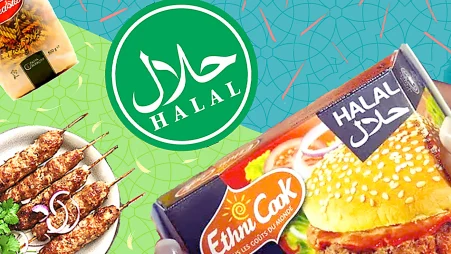
Halal food has evolved far beyond religious compliance. Today, it represents a global standard for food safety, hygiene, purity, and ethical production. Core halal principles emphasize clean ingredients, strict sanitation, and humane slaughtering methods that fully drain blood from animals, reducing bacterial growth while preserving freshness and taste. With alcohol, pork derivatives, and harmful substances strictly prohibited, halal food is increasingly viewed worldwide as a symbol of trust and quality, appealing not only to Muslim consumers but also to health-conscious non-Muslims.
Rapid Expansion of the Global Halal Food Economy
The halal food market is experiencing extraordinary growth. Valued at around $1.6 trillion in 2018, it rose to $2.93 trillion in 2024, is projected to reach $3.30 trillion in 2025, and is expected to surge to $9.45 trillion by 2034, reflecting an annual growth rate of 12.45%.
Key demand centers include Indonesia, home to the world’s largest Muslim population, Middle Eastern economies such as Saudi Arabia, Türkiye, Qatar, Kuwait, Iraq, and the UAE, plus growing Muslim communities across Europe and North America, including France, the UK, Canada, and the United States.
Bangladesh’s Untapped Advantage as a Muslim-Majority Producer
Despite strong fundamentals, Bangladesh has yet to secure a leading position within this booming market. As a Muslim-majority nation, halal compliance is deeply embedded in local food culture. Competitive production costs, abundant agricultural resources, and strong overseas demand driven by Bangladeshi expatriate communities provide a natural edge. Products such as tea, spices, fish, fruits, and vegetables already enjoy international recognition.
Certification Gaps Limit Export Potential
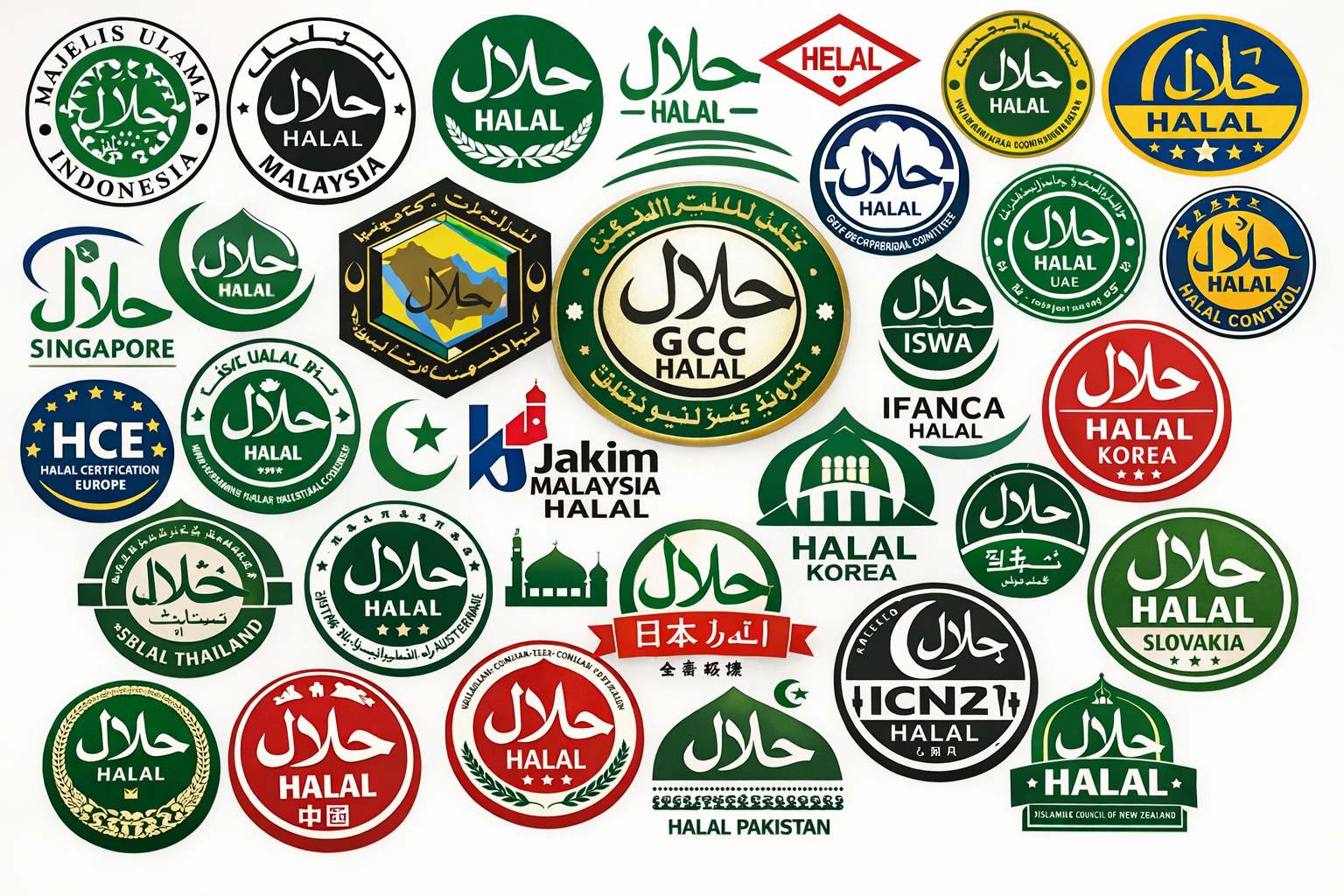
The most significant obstacle remains the absence of internationally recognized halal certification. While local certification bodies issue halal approvals, many key markets in the Middle East and Southeast Asia do not accept them. This creates barriers for exporters.
To compete globally, Bangladesh must establish a unified halal certification authority aligned with global standards and secure mutual recognition from institutions such as JAKIM, SFDA, and GCC bodies. Transparent systems supported by digital tracking and modern verification tools would strengthen credibility.
Moving Beyond Raw Exports Toward Value-Added Halal Products
Bangladesh’s next growth phase lies in processed halal foods rather than raw exports. High-demand categories include processed poultry and beef, frozen meals, snacks, dairy products, noodles, biscuits, juices, and ready-to-eat foods. These segments deliver higher margins while meeting strong global demand.
Halal Economic Zones and Skills Development as Growth Catalysts
The establishment of a Halal Economic Zone would attract foreign investment, modernize production facilities, and position Bangladesh as a dedicated halal manufacturing hub. Parallel investment in workforce training—covering farmers, factory workers, regulators, and entrepreneurs—would ensure compliance with international halal standards across the supply chain. Research, innovation, and quality assurance systems would further enhance competitiveness while generating employment.
Strategic Partnerships and Global Branding
Priority markets include the Middle East, Southeast Asia, Europe, and East Asia. Strategic MoUs covering trade facilitation, technology transfer, and mutual halal recognition would accelerate access. Strong branding through international expos, trade missions, and diplomatic engagement is essential to position Bangladeshi halal products as reliable, high-quality offerings.
Policy Support to Accelerate Export Readiness
Supportive government policies, such as incentives, low-interest financing, simplified export procedures, modern laboratories, and advanced logistics would remove existing bottlenecks. Streamlining certification processes would empower small and medium enterprises to compete internationally.
Path Toward a Global Halal Hub by 2030
Bangladesh has set an ambitious target to become a leading halal hub by 2030. With decisive reforms, international certification alignment, value-added production, and global partnerships, the country holds strong potential to emerge as a major halal food exporter, contributing significantly to economic growth while strengthening its role in the global halal economy.
Original Article:
Afrin, S. (2025). Bright potential for our halal food exports. ObserverBD. Retrieved from https://www.observerbd.com/news/557539