How Saudi Vision 2030 Aligns With Africa’s Demographic Advantage
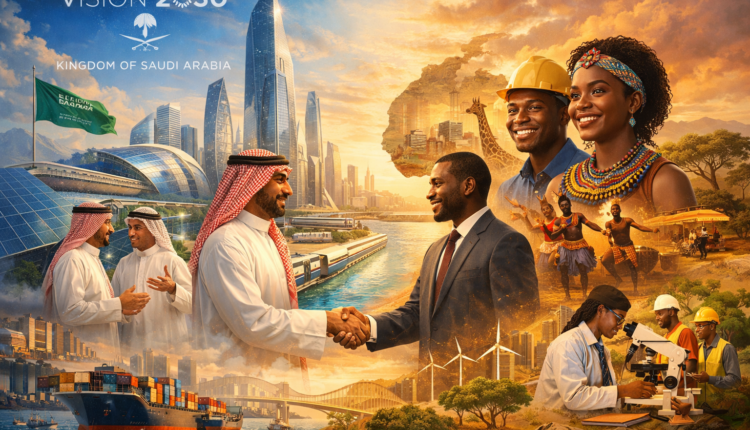
JAKARTA – A strategic convergence is emerging between Saudi Arabia’s ambitious national transformation plan and Africa’s demographic surge, creating opportunities for meaningful collaboration that extends beyond traditional development models.
Understanding Vision 2030’s Core Strategy
Saudi Arabia’s Vision 2030 represents more than infrastructure modernization or economic diversification. The initiative focuses on strengthening internal capacity through human capital development, institutional reform, and positioning the Kingdom as a global hub. Meanwhile, Africa is experiencing unprecedented youth population growth alongside expanding markets and emerging cultural influence.
The traditional East-West global framework is shifting toward Middle East-Africa partnerships that could define the next era of economic development. The connections facilitating this alignment are becoming increasingly significant.
Three Pillars of Vision 2030
Human Capability Development
The Kingdom has prioritized education transformation, skills enhancement, leadership cultivation, and youth preparedness. Institutions like Misk Foundation drive these efforts through leadership programs, entrepreneurship initiatives, and international exposure opportunities for young Saudis.
The African Connection: With the world’s youngest population, Africa presents natural synergies for skills exchange, leadership development programs, joint training initiatives, and entrepreneurship collaboration based on shared demographic profiles rather than traditional assistance models.
Strategic Investment Through the Public Investment Fund
This financial vehicle powers Vision 2030 by channeling patient capital into forward-looking sectors and major developments including NEOM, the Red Sea Project, Qiddiya, and Diriyah Gate.
The African Connection: The continent requires long-term investment for infrastructure development, housing projects, logistics networks, energy systems, tourism facilities, and smart city construction. Saudi Arabia possesses both the financial resources and the extended time horizons necessary for sustainable growth initiatives.
Cultural, Sports, and Tourism Development
Vision 2030 emphasizes culture, athletics, entertainment, and tourism as economic engines. This includes welcoming international visitors, investing in sporting events and leagues, and expanding creative industries.
The African Connection: Africa’s cultural output, athletic talent, creative sectors, and tourism potential are globally competitive yet underrepresented. Strategic collaborations enable international scaling while generating mutual economic benefits.
The Role of Connective Infrastructure
Organizations like The Voice of Africa (TVOA), led by CEO Kadmiel Van Der Puije, function as institutional bridges between African potential and global opportunities.
The TVOA ecosystem operates across multiple platforms:
TVOA Media amplifies African narratives through diverse channels including print, digital, podcasts, video content, and social platforms.
Experience Africa convenes government representatives, diplomatic missions, investors, creative professionals, athletes, and emerging leaders in Washington, DC, creating meaningful diplomatic and cultural engagement.
Experience Africa Tours facilitates immersive exchanges across Ghana, Kenya, South Africa, Zambia, Morocco, and Saudi Arabia, transforming theoretical interest into practical understanding.
TVOA Trade, Investment & Tourism Forum positions Africa as a long-term development partner aligned with Vision 2030 objectives.
Ambassador of Africa cultivates youth leadership at leading universities, reflecting the leadership development approach seen in programs like those offered by Misk Foundation.
TVOA Sports connects African athletic talent with international systems, complementing Saudi Arabia’s growing investments in global sports.
The ecosystem also amplifies grassroots impact through partnerships including The Father’s Haven Foundation (youth empowerment), The Countess Foundation (women’s skills development and entrepreneurship), and Naberm Montessori School (early education focused on global citizenship).
Why This Partnership Makes Strategic Sense
Saudi Arabia is constructing institutional systems at scale. Africa is developing human capital at scale.
Vision 2030 gains from partnerships with regions offering young populations, growing consumer bases, cultural resonance, and sustained growth trajectories. Africa benefits from partners providing capital, global connectivity, institutional frameworks, and strategic patience.
This represents co-creation based on aligned future interests rather than traditional aid paradigms.
Looking Forward
As Saudi Arabia expands its African engagement through youth initiatives, investment vehicles, tourism development, sports partnerships, education collaboration, and cultural exchange, effective intermediaries become essential. The most impactful bridges understand both policy frameworks and grassroots realities, translating strategic vision into executable programs and moving partnerships from dialogue to tangible outcomes.
This is the deliberate role that Kadmiel Van Der Puije and The Voice of Africa are fulfilling. Africa possesses youth. Saudi Arabia plans in decades. The future belongs to those who connect these complementary strengths.
Original Article:
The Voice of Africa. (2025, December 23). Saudi Arabia’s Vision 2030 and Africa’s Young Advantage Explained. Retrieved from https://thevoiceofafrica.com/2025/12/23/saudi-arabias-vision-2030-and-africas-young-advantage-explained/