The Global Impact of Halal Certification: Trade, Trust, and Controversy
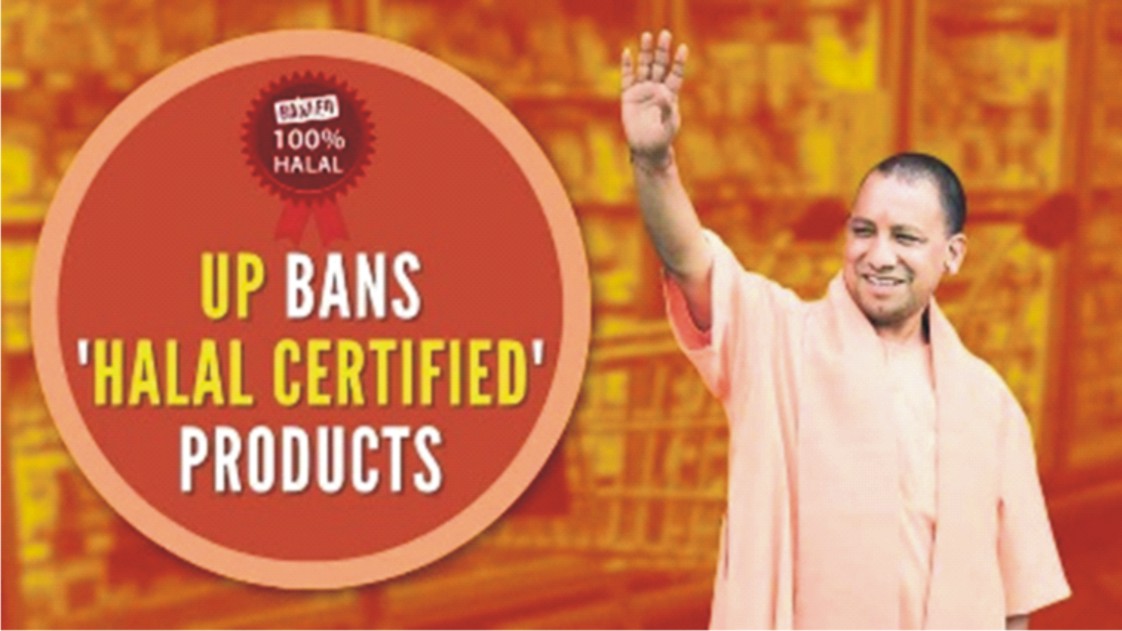
The concept of Halal certification has long been rooted in religious principles, but its significance has expanded far beyond its origins, becoming a cornerstone of the global halal industry. Recently, the Jamiat Ulama-i-Hind Halal Trust defended its certification practices in the Supreme Court of India, responding to allegations made by the government regarding the scope and purpose of Halal certification for various products. This case sheds light on the broader implications of Halal certification in international trade and its role in catering to global consumer needs.
Controversy Sparks Debate on Certification Practices
 (Photo: Islamic Voice)
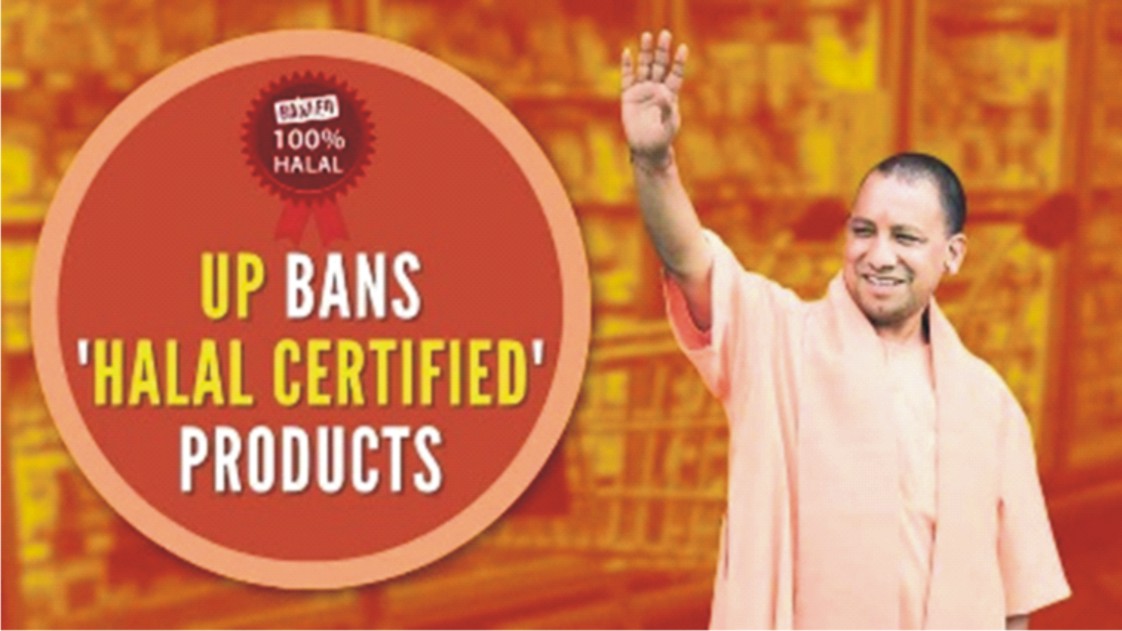
The controversy began when the Indian government claimed in court that Halal certification was being issued for an array of products, including cement, iron bars, and bottles, alleging that substantial sums of money—”lakhs of crores of rupees”—were being collected in the process. In its defense, the Jamiat Ulama-i-Hind Halal Trust refuted these allegations, filing an affidavit to clarify its stance. The trust stated that it had never issued Halal certification for cement or iron bars and labeled the government’s claims as “incorrect, vexatious, and scandalous.”
Furthermore, the trust disclosed its annual revenue of Rs 2.1 crore, of which Rs 59.2 lakh is paid as tax, emphasizing that the scale of operations is far smaller than alleged. It also argued that Halal certification is essential for certain products like tulsi water, lipstick, biscuits, and water bottles, ensuring that these items are free from animal-derived ingredients such as fat or bones, which are prohibited in Halal consumption.
Halal Certification and Its Role in Global Trade
The trust highlighted the global demand for Halal-certified products, explaining that certification is often driven by consumer preferences and international trade requirements. It stated that certain exporting companies, particularly those dealing in packaging materials like tin plates and food cans, seek Halal certification to meet the demands of importing countries where Halal compliance is a prerequisite for trade. This underscores the importance of Halal certification as a bridge between producers and global markets, ensuring that products meet the cultural and religious expectations of consumers in Halal-conscious regions.
The trust also emphasized that Halal certification is not merely a business transaction but a matter of religious belief and practice. It argued that this practice is protected under Articles 25 and 26 of the Indian Constitution, which safeguard the right to religious freedom. For millions of Muslim consumers worldwide, Halal certification acts as a mark of trust and assurance, influencing their purchasing decisions and fostering confidence in the products they consume.
Consumer-Driven Demand Shapes Certification Industry
 (Photo: Opinionadda)
In its affidavit, the Jamiat Ulama-i-Hind Halal Trust explained that the decision to obtain Halal certification is primarily consumer-driven. Manufacturers opt for certification not because of pressure from certifying agencies but to meet the expectations of their target audience. As the global Muslim population grows, so does the demand for products that align with Halal principles, creating a thriving international market for Halal goods.
From food and beverages to cosmetics and packaging materials, the Halal industry has diversified significantly, with the global market value projected to exceed $2 trillion USD in the coming years. This growth is fueled by the increasing number of consumers seeking Halal-compliant products, not just for religious reasons but also due to the perception of Halal as a quality assurance standard.
A Broader Perspective: Halal Certification as a Global Standard
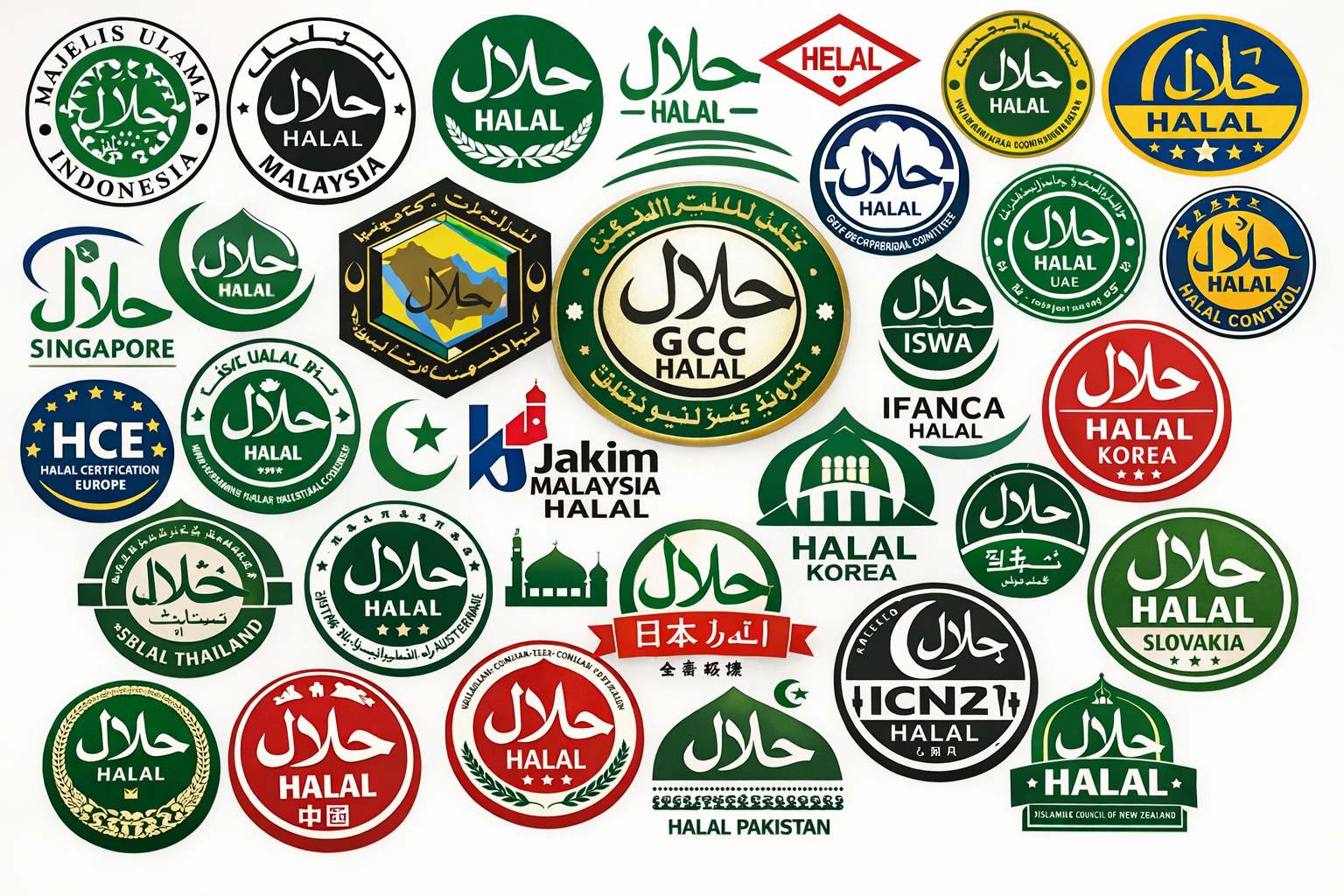
This case highlights the critical role of Halal certification in the global economy, particularly in regions with significant Muslim populations such as the Middle East, Southeast Asia, and Africa. Countries like Malaysia and Indonesia have established robust Halal certification frameworks, setting benchmarks for others to follow. As international trade becomes increasingly interconnected, Halal certification serves as a vital tool for facilitating cross-border commerce while respecting cultural sensitivities.
By addressing misconceptions and promoting transparency, organizations like the Jamiat Ulama-i-Hind Halal Trust can help strengthen the credibility of Halal certification and its role in the global marketplace. As businesses and governments recognize the economic potential of the Halal industry, collaboration and clear communication will be essential to navigating this complex yet lucrative sector.
Halal Certification as a Pillar of Global Trade
The debate surrounding Halal certification underscores its significance in both religious practice and global commerce. For millions of consumers, Halal certification is more than just a label—it is a guarantee of trust, quality, and adherence to ethical standards. As the Halal industry continues to expand, it will play an increasingly important role in shaping consumer behavior, fostering international trade relationships, and driving economic growth. At the heart of it all lies a shared commitment to respecting cultural and religious values while meeting the needs of a diverse and dynamic global market.
Original Article:
Times of India. (2025, March 1). Jamiat Trust justifies halal certification for tulsi water, water bottles. Times of India. https://timesofindia.indiatimes.com/india/jamiat-trust-justifies-halal-certification-for-tulsi-water-water bottles/amp_articleshow/118539316.cms