Five Key Regulations Set to Influence the APAC Food & Beverage Sector in 2026
Several regulatory and policy changes are expected to have major impacts on the food and beverage industry across the Asia-Pacific region in 2026, ranging from halal certification mandates to nutrition-focused reforms.
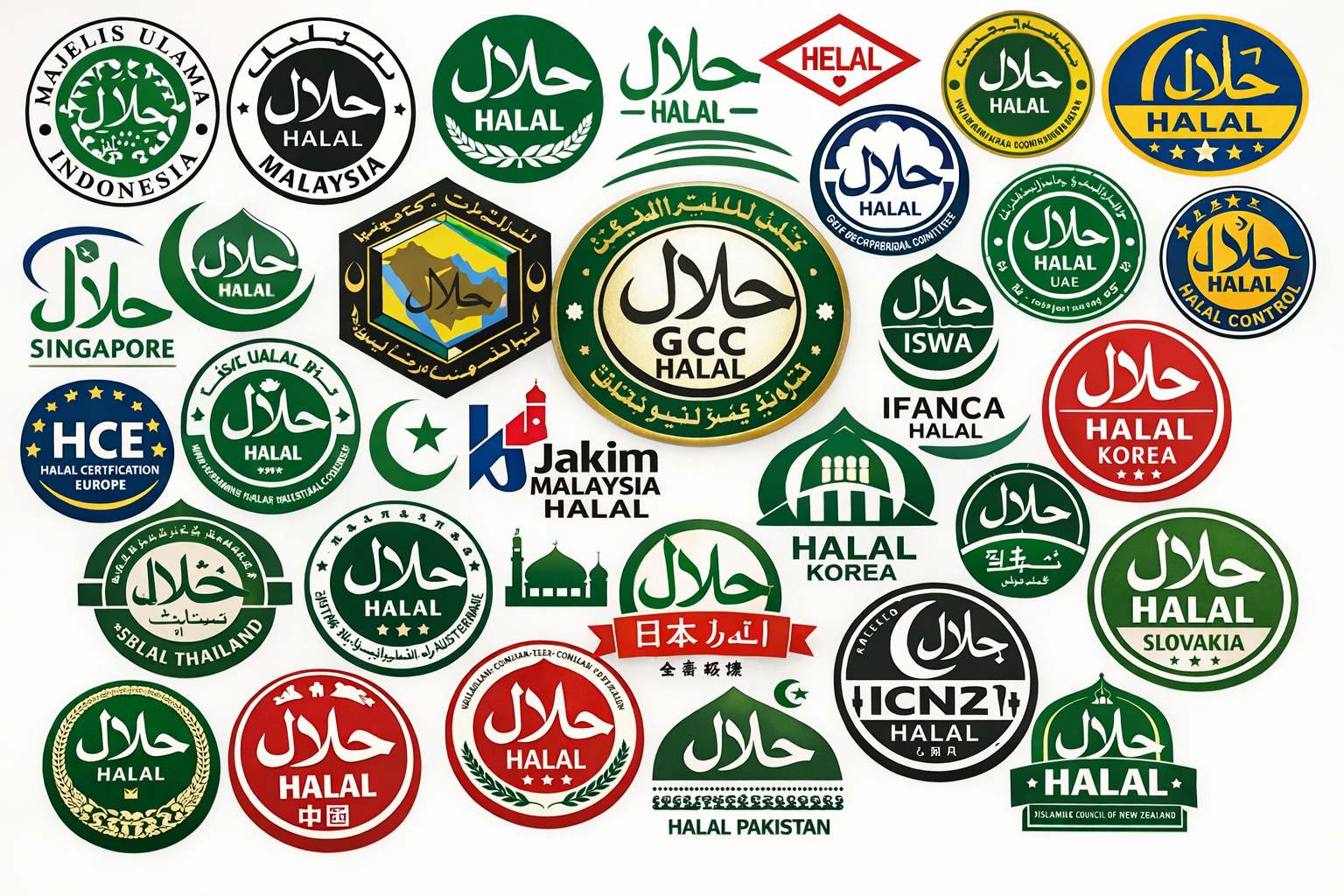
One of the most significant developments is Indonesia’s ongoing halal product mandate. While the law requiring all domestic and imported foods and beverages to be halal-certified took effect in October 2024, many micro, small and medium enterprises (MSMEs) have yet to comply due to cost, complexity and limited digital access. In response, Indonesia’s Halal Product Assurance Agency has introduced a digital Halal Self-Declaration Programme (SIHALAL) to lower barriers for simpler products, but millions of businesses still face challenges ahead of the planned October 2026 full roll-out.
Nutrition policies are also driving reformulation across the region. Thailand has introduced a tiered salt tax inspired by sugar levies, and Singapore plans to expand its Nutri-Grade front-of-pack labelling to cover sodium and fat, encouraging manufacturers to reformulate products to achieve higher health-oriented grades. These measures are prompting food companies to reduce salt content and accelerate innovation in product recipes.
Taxation remains another influential element. In Malaysia, recent increases in alcohol excise duty have raised concerns among industry bodies about potential price rises and the growth of illicit markets, while India’s simplification of its Goods and Services Tax (GST) has reduced rates for many food and farm products, boosting consumption and encouraging companies to adjust pricing strategies accordingly.
In addition, the European Union Deforestation Regulation (EUDR) continues to be delayed and reworked, with a revised implementation date of December 30, 2026. While this delay gives food and beverage companies more time to prepare for compliance, uncertainty remains about the regulation’s final requirements and administrative burden, particularly for smaller operators.
Finally, changes to the definition of genetically modified (GM) foods in Australia and New Zealand are poised to expand market access for products developed through new breeding techniques. Under the updated Food Standards Australia New Zealand rules, only foods containing novel DNA will be classified as GM, meaning many gene-edited products will not require special labelling or approval, potentially increasing consumer availability of these items.
Source:
FoodNavigator-Asia. (2026). 5 need-to-know regulations set to impact APAC food & beverage in 2026. https://www.foodnavigator-asia.com/Article/2026/01/13/5-need-to-know-regulations-set-to-impact-apac-food-beverage-in-2026/