Halal and Thayyib: Redefining Fast Food for the Conscious Muslim in Indonesia
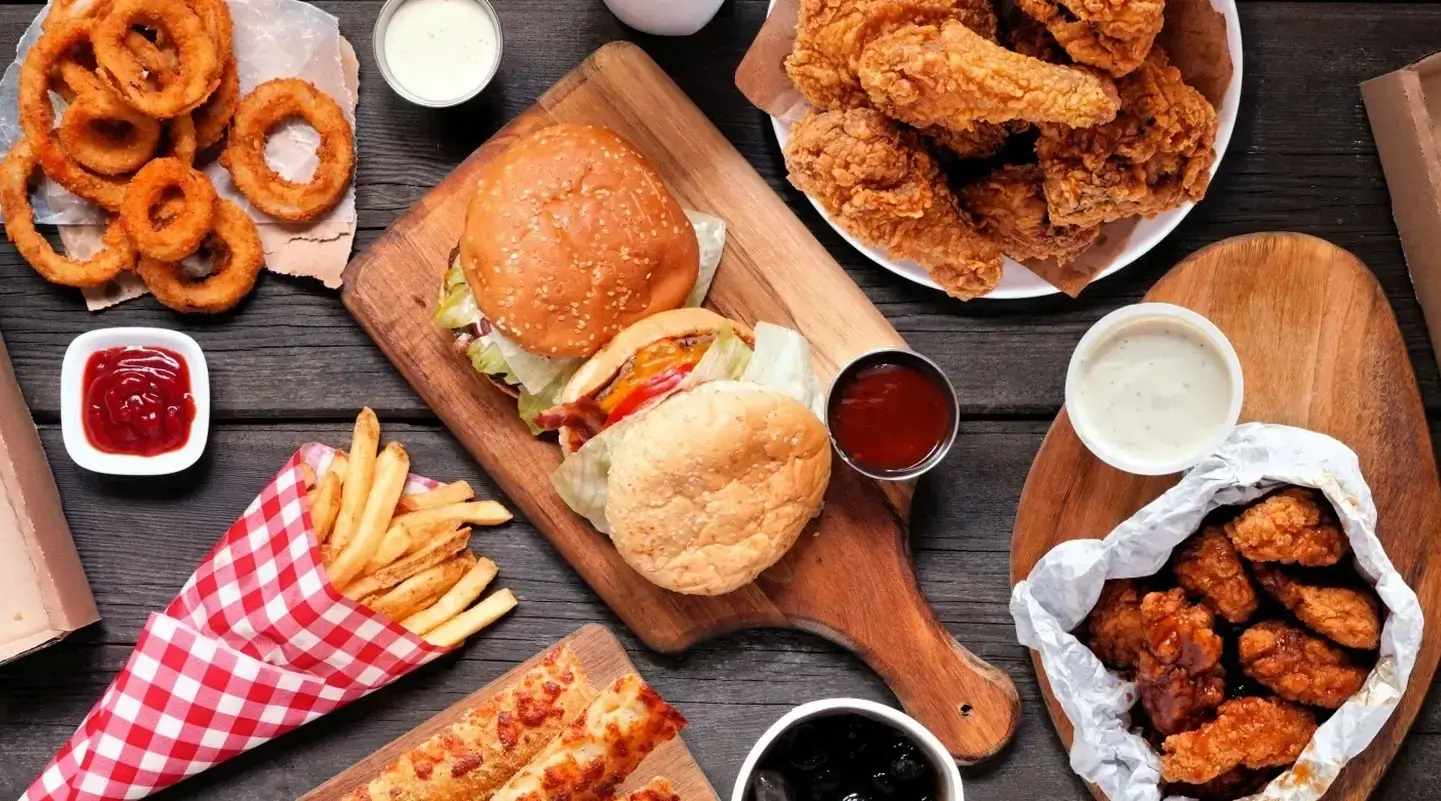
Kawaguchiko, Japan – In today’s fast-paced world, fast food has become an integral part of many people’s lives, including Muslims. The convenience, quick service, and competitive pricing make fast food a favorite choice, especially among children and millennials. However, behind this practicality lies an important question: Is the food merely halal by label, or does it also meet the thayyib standards as prescribed in Islam?
Thayyib, an Arabic term, refers to everything that is good, clean, decent, and of high quality. The Quran explicitly states in Surah Al-Baqarah: 168,
يَـٰٓأَيُّهَا ٱلنَّاسُ كُلُوا۟ مِمَّا فِى ٱلْأَرْضِ حَلَـٰلًۭا طَيِّبًۭا وَلَا تَتَّبِعُوا۟ خُطُوَٰتِ ٱلشَّيْطَـٰنِ ۚ إِنَّهُۥ لَكُمْ عَدُوٌّۭ مُّبِينٌ
“O humanity! Eat from what is lawful and good on the earth and do not follow Satan’s footsteps. He is truly your sworn enemy.”
This verse emphasizes that halal alone is not enough. Food must also be safe, healthy, and nutritious. Thus, it is crucial to examine this phenomenon from the perspectives of Islam, health, and lifestyle.
Understanding Halal and Thayyib: More Than Just Certification
Halal is often understood simply as being free from haram ingredients like pork and alcohol. However, in the Islamic context, halal and thayyib are inseparable. Thayyib encompasses cleanliness, nutritional quality, and food safety. Unfortunately, many fast food products pass halal certification yet contain risky additives such as trans fats, excessive MSG, and artificial sweeteners.
The biggest challenge in Indonesia is not the availability of halal food but the weak understanding of the thayyib concept among the public. Existing regulations tend to emphasize legal aspects of Sharia rather than a comprehensive view of health.
When Children Fall into the Fast Food Trap
 (Photo: Healthshots)
Recent studies show that children are the most vulnerable group to the influence of fast food. Massive advertising, free toys, and a lack of parental control are major factors contributing to high fast food consumption among them. From a Sharia perspective, this situation poses significant risks as it not only harms physical health but also impacts children’s mental and intellectual development.
In the maqashid of Sharia, preserving life (hifdzun nafs) and safeguarding intellect (hifdzul aql) are primary objectives intended by Allah in all His laws. If consuming food undermines these two aspects, it contradicts Islamic principles, even if the food is formally labeled halal. In this regard, parents bear a moral and spiritual responsibility to cultivate a balanced diet for their children, adhering to Islamic principles.
Between Awareness and Practical Lifestyle
The Muslim generation in Indonesia shows a high tendency to consume fast food. Key determining factors include Halal Awareness, Halal Certification, and Halal Marketing. However, despite being aware of the importance of halal, there is still a low understanding of the thayyib concept.
This indicates that halal branding alone is insufficient. Muslim consumers need guidance to understand nutritional values, long-term impacts, and the production processes of the food they consume. Education is crucial to ensure that practical lifestyles remain within the comprehensive framework of Sharia.
The Strategic Role of Government and Halal Institutions
 (Photo: BPJPH)
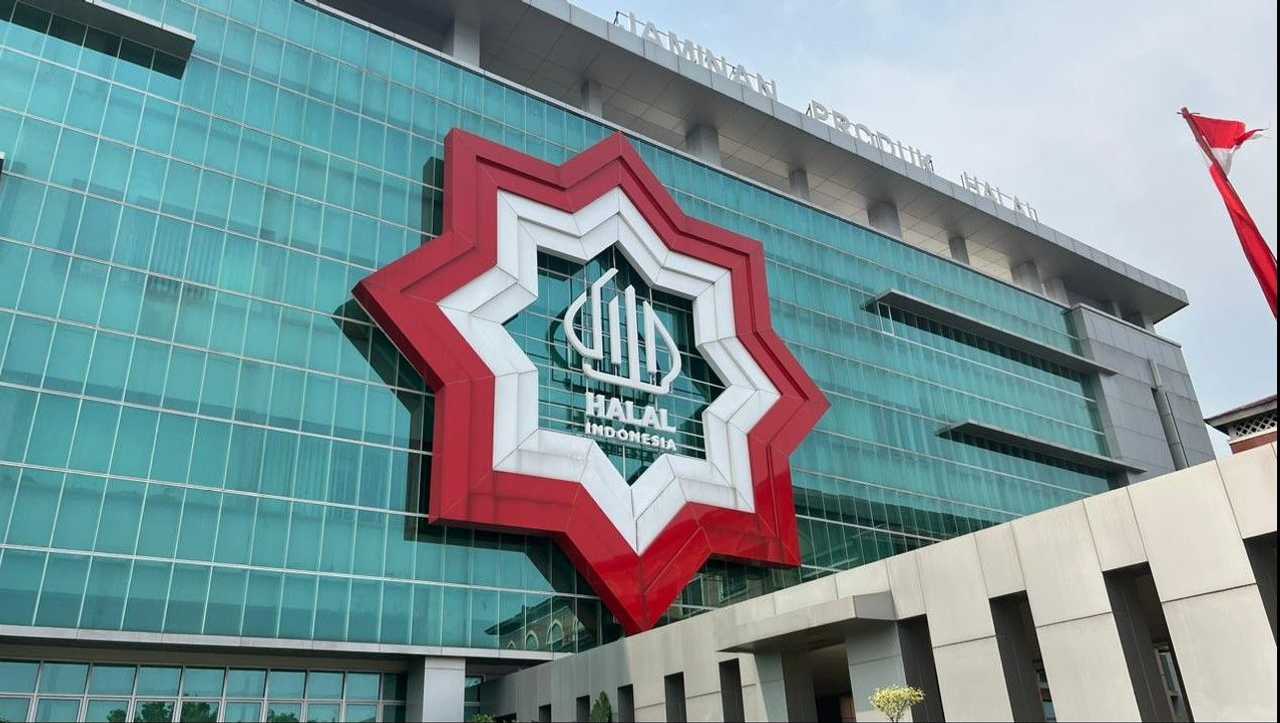
The government, through the Halal Product Assurance Agency (BPJPH) and the Indonesian Ulema Council (MUI), plays a significant role in strengthening the halal certification system. However, this certification must be expanded to ensure it not only guarantees the halal status of ingredients but also addresses thayyib aspects: Is the food safe, healthy, and suitable for regular consumption?
Moreover, public education about the dangers of additives, monitoring production processes, and ensuring transparency in supply chains are essential components of an ideal halal-thayyib guarantee.
Islam and Eating Lifestyle
Islam is not just a religion that governs ritual worship, it also provides clear guidelines regarding consumption and lifestyle. In Surah Al-A’raf: 31, Allah commands,
يَـٰبَنِىٓ ءَادَمَ خُذُوا۟ زِينَتَكُمْ عِندَ كُلِّ مَسْجِدٍۢ وَكُلُوا۟ وَٱشْرَبُوا۟ وَلَا تُسْرِفُوٓا۟ ۚ إِنَّهُۥ لَا يُحِبُّ ٱلْمُسْرِفِينَ
“O Children of Adam! Dress properly whenever you are at worship. Eat and drink, but do not waste. Surely He does not like the wasteful.”
Allah prohibits excess in eating and drinking. Unfortunately, many Muslims consume fast food excessively, despite israf (wastefulness) being forbidden in Islam. The dietary habits encouraged in the Quran should be simple, nutritious, and spiritually rewarding. Eating is not merely about satisfying hunger; it is also about fulfilling the trust of the body bestowed by Allah.
Building a Healthy and Nutritionally Aware Muslim Generation
In response to these issues, several suggestions can be made for stakeholders, including parents, fast food industry players, the government, and society:
- Parents should establish healthy and Islamic eating patterns for their children from an early age.
- Fast food industry players should begin integrating thayyib values into their products.
- The government needs to expand halal certification standards to include nutritional and food safety aspects.
- Public education on nutrition, healthy consumption, and Islamic lifestyles should be continuously promoted through media, education, and community initiatives.
By understanding and applying the values of halalan thayyiban, Muslims can not only ensure the halal status of their food but also safeguard their health, well-being, and the future of their generations. This holistic approach to eating aligns with Islamic teachings and promotes a lifestyle that is both spiritually fulfilling and physically beneficial. As the community becomes more aware of these principles, the hope is to foster a generation that prioritizes health and ethical consumption, ultimately leading to a more balanced and conscientious society.
References
Fitria, M. R., Aji, H., & Heryawan, A. Y. (2019). The effect of halal awareness, halal certification and halal marketing toward halal purchase intention of fast food among Muslim millennials generation. Russian Journal of Agricultural and Socio-Economic Sciences (RJOAS), 6(90), 76–83.
Ramli, M. A., Omar, M. H., & Jamaludin, M. A. (2021). Fast-food consumption among children according to Syari’ah perspective. Halalsphere, 1(2), 2–16.
Burhanuddin, & Riyanto, S. (2022). Perilaku konsumen Muslim Indonesia terhadap perkembangan produk makanan dan minuman halal. Jurnal Pendidikan dan Kewirausahaan, 10(2), 645–654.
Tamimah, Sri Herianingrum, S., Ratih, I. S., Rofi’ah, K., & Kulsum, U. (2018). Halalan thayyiban: The key of successful halal food industry development. ‘Ulûmunâ: Jurnal Studi Keislaman, 4(2), 171–185.
Nafis, M. C. (2019). The concept of halal and thayyib and its implementation in Indonesia. Journal of Halal Product and Research, 2(1), 1–5.