BPJPH and MUI Fatwa: A Muslim Woman’s Guide to Choosing Halal Nail Polish
Kawaguchiko, Japan – For a Muslim woman, appearing attractive is key to boosting self-confidence. Various efforts are made to look more beautiful, such as visiting beauty salons, using cosmetics, and decorating nails with nail polish.
However, the use of nail polish by Muslim women has long been a source of debate, primarily because of its nature of blocking ablution (wudhu) water. Generally, nail polish is made from chemical substances that may not be halal and have the potential to prevent water from penetrating the nails. Therefore, Muslim women typically only used nail polish during menstruation or postpartum periods when they are not required to perform ablution for prayer.
With the development of beauty trends, many Muslim women now use nail polish as a daily appearance accessory, even when in a state of ritual purity. This has driven cosmetic product innovations, introducing halal nail polish as an alternative for Muslim women who want to look beautiful without worrying about the validity of their ablution.
Halal Nail Polish and Sharia Requirements

source: shopping.tribunnews.com
Halal nail polish is nail polish that allows ablution water to penetrate the nail surface and does not contain haram or impure ingredients, including alcohol beyond the limits specified by Islamic law. Nevertheless, the existence of halal nail polish still raises doubts among Muslim women. Some studies mention that halal nail polish can indeed absorb water, but the process requires a considerable amount of time, thus questioning its effectiveness in ablution.
Under Islamic law, decorating nails with nail polish is essentially permissible (mubah), with the condition that the nail polish comes from natural ingredients, such as henna leaves. In fact, during the time of the Prophet Muhammad, the use of henna was recommended for women to distinguish female and male hands. Some scholars also argue that using henna is considered a sunnah, as mentioned in the hadith:
“A woman extended a book with her hand to the Prophet Muhammad, and he pulled back his hand, saying: ‘I do not know if this is a man’s or a woman’s hand?’ The woman replied, ‘This is a woman’s hand.’ The Prophet Muhammad then said: ‘If you were a woman, you would have changed your nails with henna.'” (Narrated by Abu Dawud and An-Nasa’i)
MUI Fatwa and Halal Nail Polish Standards
source: neraca.co.id
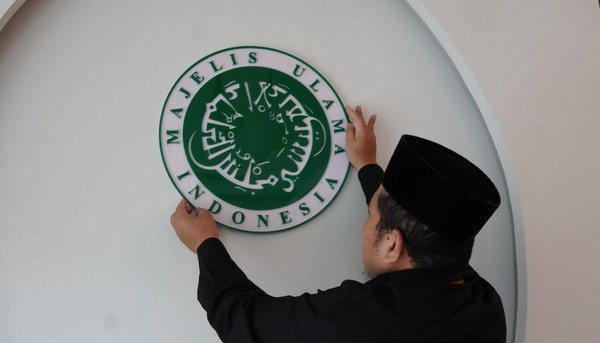
The Indonesian Ulema Council (MUI) has established halal product standards, including nail polish. The Food, Medicine, and Cosmetics Assessment Institute (LPPOM MUI) emphasizes that “waterproof” nail polish can still be halal-certified if it meets two main conditions: free from impure substances and proven to have water-penetrating properties through absorption tests.
Based on MUI Fatwa No. 23 of 2013, there are eight legal provisions in determining the halal status of cosmetic products, including nail polish:
- Cosmetics may be used if they meet halal, pure, and non-harmful conditions.
- It is forbidden to use cosmetics containing impure substances for consumption.
- Cosmetics not absorbed by the body can be used with purification after use.
- Cosmetics used only for beautification must not contain haram ingredients.
- Cosmetics have their own legal provisions referring to medication fatwas.
- Products containing microbe-derived ingredients involving pig genes are forbidden.
- Using derivatives of halal animals with unknown slaughtering methods is makruh tahrim.
- It is recommended to avoid cosmetic products with unclear microbial growth media.
BPJPH: Halal Nail Polish Must Be Chosen Selectively

source: bpjph.halal.go.id
The Halal Product Assurance Organizing Agency (BPJPH) also emphasizes that nail polish use for Muslim women is essentially permissible, as long as it meets two main conditions: free from impure substances and having water-penetrating properties that allow ablution water to touch the nails. BPJPH supports the use of halal nail polish that does not contain haram ingredients, is produced in halal-certified facilities, and has undergone water absorption testing.
However, for Muslim women who want to remain cautious, it is recommended to ensure the validity of the halal certification of the nail polish they use. Products claiming to be “waterproof” must be strictly tested to truly allow ablution water to penetrate the nails within a reasonable time.
With the innovation of halal nail polish, Muslim women now have more choices to look beautiful without sacrificing the validity of their worship. Nevertheless, selectivity and caution in choosing products remain key to maintaining both beauty and purity.
References:
Sholichah, I. U. (2023). Kutek halal dalam Islam: Analisis Fatwa MUI No. 26 tahun 2013 tentang standar kehalalan produk kosmetika dan penggunaannya. Fintech: Journal of Islamic Finance, 5(1), Juli. E-ISSN: 2807-6281.
Rashidi Othman, Mohammad Aizat Jamaludin, Elwathig Saeed Mirghani, Razanah Ramya, Farah Ayuni Mohd Hatta, Lukman Hakim Mahamod, & Ainaa Eliah Abu Bakar. (2021). Halal services & contemporary issues. Yamani Angle Sdn. Bhd.
Majelis Ulama Indonesia. (n.d.). Kabar baik, kuteks bisa saja halal, kenali cirinya! Halal MUI. Retrieved March 27, 2025, from https://halalmui.org/kabar-baik-kuteks-bisa-saja-halal-kenali-cirinya-2/