Cigarettes in Indonesia: Halal, Haram, or Mubah? BPJPH Unravels the Smoking Dilemma
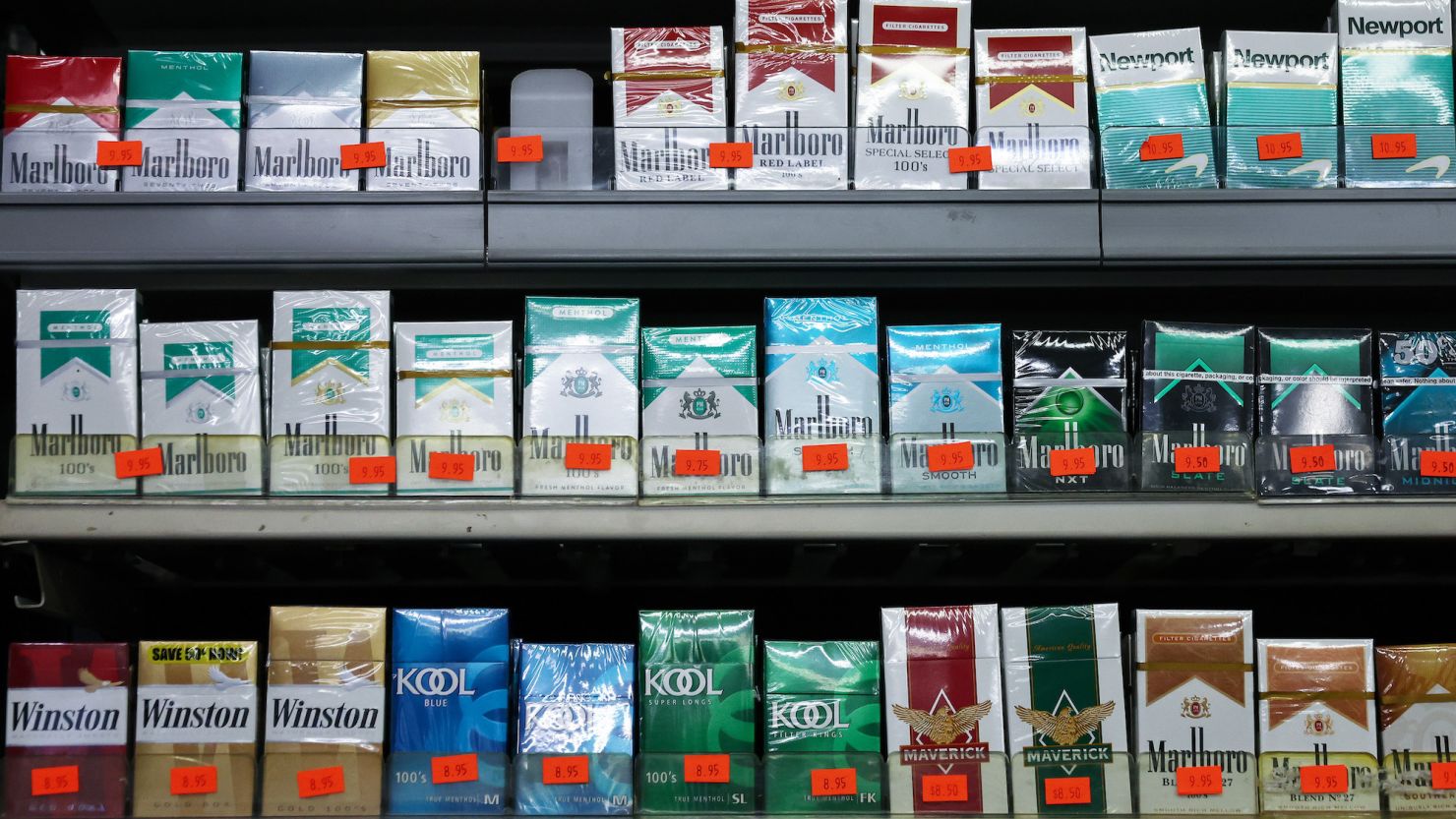
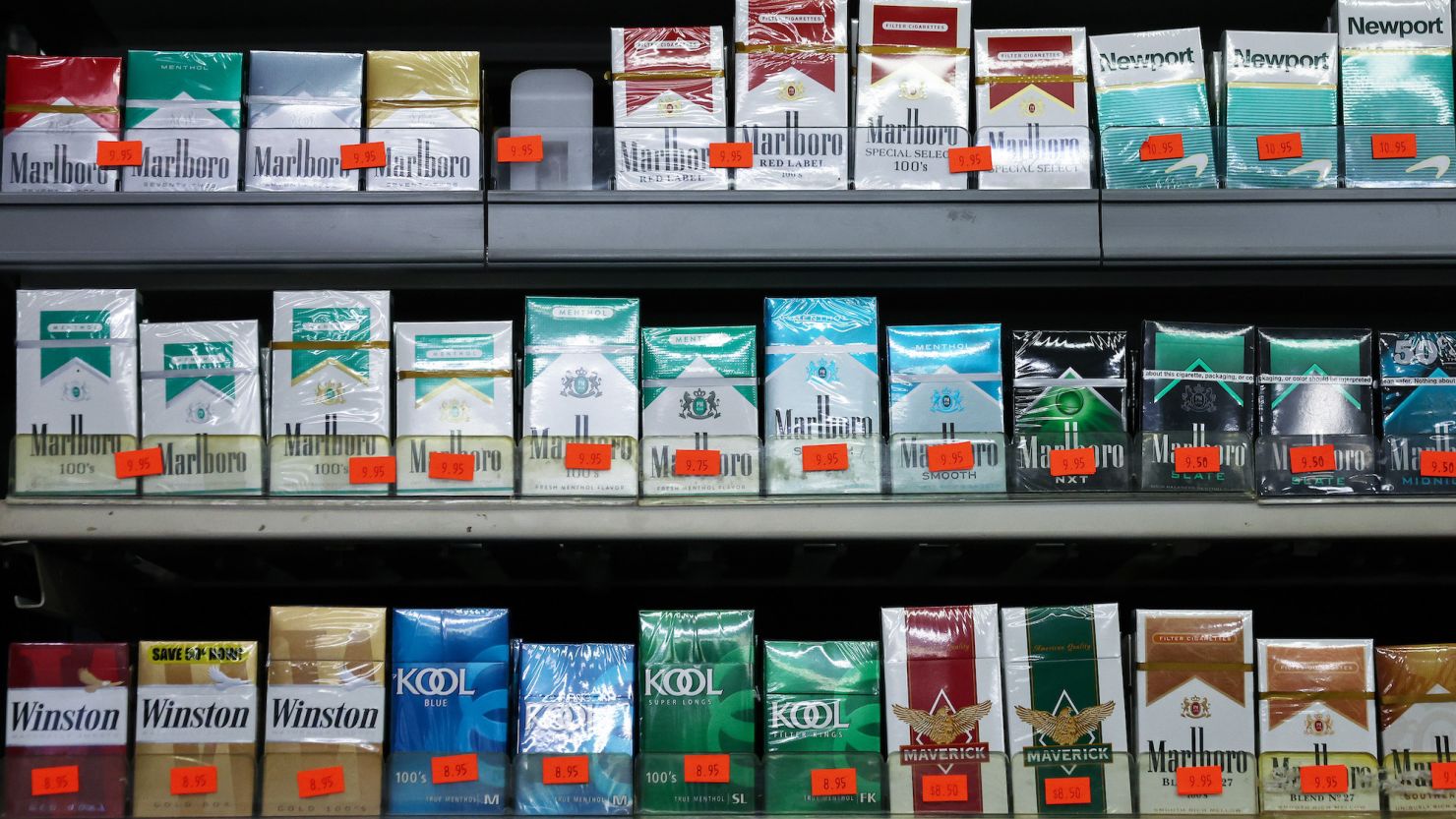
Source: CNN Health
Kawaguchiko, Japan – The debate regarding the legal status of cigarettes among Muslims in Indonesia continues to be an interesting topic of discussion. Various perspectives have emerged from religious scholars and organizations concerning the legal status of cigarettes. One prominent scholar, Sheikh Yusuf al-Qaradawi, has forbidden cigarettes due to the harm they cause, referencing Allah’s verse in Surah Al-A’raf verse 157:
ٱلَّذِينَ يَتَّبِعُونَ ٱلرَّسُولَ ٱلنَّبِىَّ ٱلْأُمِّىَّ ٱلَّذِى يَجِدُونَهُۥ مَكْتُوبًا عِندَهُمْ فِى ٱلتَّوْرَىٰةِ وَٱلْإِنجِيلِ يَأْمُرُهُم بِٱلْمَعْرُوفِ وَيَنْهَىٰهُمْ عَنِ ٱلْمُنكَرِ وَيُحِلُّ لَهُمُ ٱلطَّيِّبَٰتِ وَيُحَرِّمُ عَلَيْهِمُ ٱلْخَبَٰٓئِثَ وَيَضَعُ عَنْهُمْ إِصْرَهُمْ وَٱلْأَغْلَٰلَ ٱلَّتِى كَانَتْ عَلَيْهِمْ ۚ فَٱلَّذِينَ ءَامَنُوا۟ بِهِۦ وَعَزَّرُوهُ وَنَصَرُوهُ وَٱتَّبَعُوا۟ ٱلنُّورَ ٱلَّذِىٓ أُنزِلَ مَعَهُۥٓ ۙ أُو۟لَٰٓئِكَ هُمُ ٱلْمُفْلِحُونَ
“Who follows the Messenger, the unlettered prophet, whose (name) they find written in the Torah and the Gospel that are with them, who commands them to do what is right and forbids them from what is wrong, and makes lawful for them the good things and prohibits for them the bad things…” (Al-A’raf: 157).
Based on this perspective, cigarettes are considered something that can harm health, given the negative impacts caused by the dangerous substances contained within them.
Perspectives of Islamic Organizations in Indonesia
In Indonesia, the debate about the legal status of cigarettes continues among two major organizations: Nahdlatul Ulama (NU) and Muhammadiyah. These two organizations have different views on the legal status of cigarettes.
Muhammadiyah’s Perspective
Muhammadiyah, known for its progressive theological interpretations, has taken a firm stance against cigarette consumption by declaring it haram (forbidden) through carefully researched fatwas issued in 2010 and reinforced in 2020. The organization’s position is deeply rooted in comprehensive scientific and ethical analysis. By examining cigarettes through medical, social, and economic lenses, Muhammadiyah presents a multifaceted argument that extends beyond traditional religious discourse.
From a health perspective, the fatwa meticulously details the devastating medical consequences of smoking, including increased risks of cancer, chronic obstructive pulmonary disease (COPD), and significantly reduced life expectancy. The organization notably emphasizes that the health risks are not limited to active smokers but critically impact passive smokers as well.
The economic argument is equally powerful. Muhammadiyah highlights the substantial financial burden of cigarettes, with daily expenses potentially reaching hundreds of thousands of rupiah. This perspective frames smoking not just as a health risk, but as a direct threat to household economic stability.
By explicitly including electronic cigarettes in their fatwa, Muhammadiyah demonstrates its ability to adapt religious interpretations to technological innovations. The ruling represents more than a religious decree; it is a comprehensive public health intervention that positions the organization as a progressive social force committed to community welfare and scientific understanding.
NU’s Perspective
Nahdlatul Ulama (NU) presents a more nuanced approach to the cigarette debate, demonstrating a sophisticated understanding of Islamic legal principles and socio-economic realities. The organization’s legal interpretation suggests that cigarettes can be classified as makruh (discouraged) when they bring minimal harm to the individual. Some NU scholars argue that cigarettes are mubah (permissible) because they do not cause intoxication like alcohol, which is explicitly prohibited in Islamic law.
Beyond legal categorization, NU considers potential psychological and social dimensions of cigarette consumption. Some scholars suggest that smoking might serve as a social lubricant, stress-relief mechanism, or even a creativity stimulant. This perspective acknowledges the complex social role of cigarettes in Indonesian culture.
The economic argument is equally significant. In tobacco-producing regions, the cigarette industry represents a crucial livelihood ecosystem. Tobacco cultivation provides employment and economic sustenance for local communities, a factor NU considers important in its holistic evaluation.
This approach reflects NU’s broader theological methodology, which emphasizes contextual interpretation over rigid prohibitions. The organization seeks to balance religious principles with practical social realities, encouraging a more thoughtful dialogue about cigarette consumption that goes beyond simple halal or haram judgments.
MUI Fatwa and the Legal Status of Cigarettes
Amid these differing opinions, the Indonesian Ulema Council (MUI) has issued a fatwa stating that cigarettes are haram, based on the ijtima’ (gathering) of ulama from the MUI Fatwa Commission in 2009. Although this fatwa does not have a specific number, the decision is strong enough to be used as a guideline that cigarettes are included in the haram category for Muslims.
This fatwa serves as a reference for the Muslim community in Indonesia, although many still feel confused, given that NU is the largest organization with the most followers in Indonesia, which does not entirely forbid cigarettes.
BPJPH’s Steps in Addressing the Cigarette Debate

Source: RM.ID
As the primary halal certification institution in Indonesia, the Halal Product Assurance Organizing Agency (BPJPH) has taken a strategic approach to the cigarette debate. Affiliated with MUI, the agency has deliberately chosen not to issue halal certification for cigarettes, reflecting their complex legal and ethical status.
Based on MUI’s ruling and existing regulations, cigarettes remain categorized as haram (forbidden) while still being legally tradable. BPJPH’s most significant intervention is its recommendation for mandatory packaging labels that clearly state the product’s non-halal status and potential health risks.
This approach represents a nuanced regulatory strategy that goes beyond simple prohibition. By requiring transparent labeling, BPJPH empowers consumers with clear information about the religious and health implications of cigarette consumption. The agency effectively balances respect for individual choice with a commitment to ethical guidance and public health awareness.
The labeling recommendation transforms product packaging into a critical communication tool, allowing consumers to make informed decisions while maintaining the agency’s clear stance on the ethical problems associated with smoking.
Conclusion: Indonesian Society and Cigarettes
The debate about cigarettes in Indonesia continues to reveal the complexity of applying Islamic principles to contemporary social issues. While the Majelis Ulama Indonesia (MUI) and many scholars have declared cigarettes haram, Nahdlatul Ulama’s more moderate stance creates an important counterpoint in the national discourse.
The Halal Product Assurance Organizing Agency (BPJPH) has responded with a nuanced approach that balances religious guidance with practical realities. Instead of implementing a complete ban, the agency has established a regulatory framework that allows cigarette trade while protecting consumer interests through mandatory labeling. By requiring clear warnings about the non-halal status and health risks, BPJPH empowers individuals to make more informed choices. This strategy reflects a sophisticated understanding of Islamic principles, prioritizing guidance and transparency over absolute prohibition.
The ongoing debate demonstrates the dynamic nature of Islamic jurisprudence in Indonesia, showcasing how religious interpretation can adapt to contemporary challenges while maintaining core ethical principles. Ultimately, the goal is to create an environment where individuals can make more deliberate and thoughtful decisions about their health and religious obligations.
References:
Lc, H. N., MSi, E. A., Hum, M., & MSi, H. K. S. (2021). The Use Of Kretek Herbs For Cigarette Addicts In View Of Islamic Law. Turkish Journal of Computer and Mathematics Education, 12(7), 544-548.
Wulan, W. P. S., Sari, R. P. N., & Hariyati, H. (2025). Hukum Merokok Dalam Pandangan Tokoh Muhammadiyah Dan Nahdlatul Ulama Kota Kupang. Al-Fikru Jurnal Pemikiran Hukum Islam, 1(1), 10-20.
Badan Penyelenggara Jaminan Produk Halal. (n.d.). Kepala BPJPH Kembali Tegaskan Produk Non Halal Dikecualikan dari Wajib Sertifikasi Halal. Retrieved March 27, 2025, from https://bpjph.halal.go.id/detail/kepala-bpjph-kembali-tegaskan-produk-non-halal-dikecualikan-dari-wajib-sertifikasi-halal
Majelis Ulama Indonesia. (2009). The 3rd National Conference of the Fatwa Commission of Indonesian Ulama in 2009 on the Legal Status of Smoking