Transparency and Ethics in Meat Production: Examining Non-Stun Slaughter in the UK
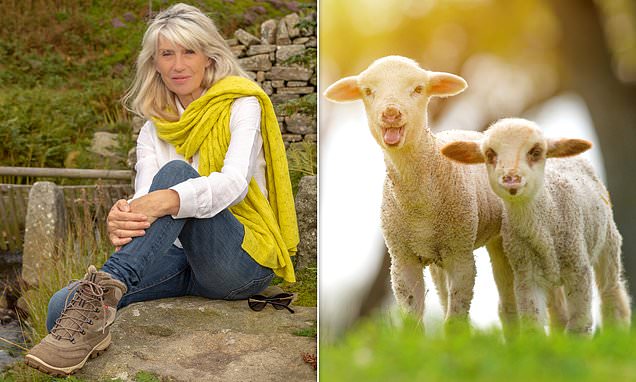
The author criticizes the UK Labour Party’s newly released 12,500-word animal welfare strategy for failing to address non-stun religious slaughter, despite claiming to promote humane treatment of animals. Using the example of lambs raised in rural England, she argues that many animals are legally slaughtered while still conscious under exemptions granted to certain Jewish and Muslim practices. Although UK law generally requires pre-slaughter stunning, these exemptions remain in place, and the author notes that halal slaughter constitutes a significantly larger share of the market than Jewish shechita due to demographic differences.
Citing data from the Food Standards Agency and animal welfare groups, the article claims that tens of millions of animals are killed each year without stunning, potentially causing prolonged suffering. The author further expresses concern that meat from non-stunned animals is widely distributed through public institutions such as schools, hospitals, and prisons, often without clear labeling, leaving consumers unaware of how the animals were slaughtered. She attributes this lack of transparency partly to economic incentives within the meat industry, where large-scale production prioritizes efficiency and cost reduction.
The article argues that Labour’s animal welfare proposals focus on less controversial issues—such as banning lobster boiling and reforming fish and pig slaughter—while avoiding the politically sensitive topic of ritual slaughter. Although public petitions calling for mandatory stunning and clearer labeling have gained significant support, the author claims that political leaders, major retailers, and animal welfare charities have been reluctant to engage fully with the issue due to fears of social and political backlash.
The author also references statements from former ministers, veterinarians, and farmers who have publicly criticized non-stun slaughter methods, particularly in cattle, where loss of consciousness may be delayed. She contrasts the UK’s position with that of several European countries, as well as Australia and New Zealand, which have introduced bans on non-stun slaughter. Concluding with a philosophical reflection on animal suffering, the article argues that continued tolerance of conscious slaughter represents a moral contradiction in a society that claims to value animal welfare.
Source:
Selina Scott. (2026). Labour’s new 12,500-word animal welfare paper makes only a single mention of “barbaric halal slaughter”. Daily Mail. https://www.dailymail.co.uk/debate/article-15452897/amp/SELINA-SCOTT-Labours-new-12-500-word-animal-welfare-paper-single-mention-barbaric-halal-slaughter.html