Malaysia Maintains Firm Stance on Halal Certification in US Trade Negotiations
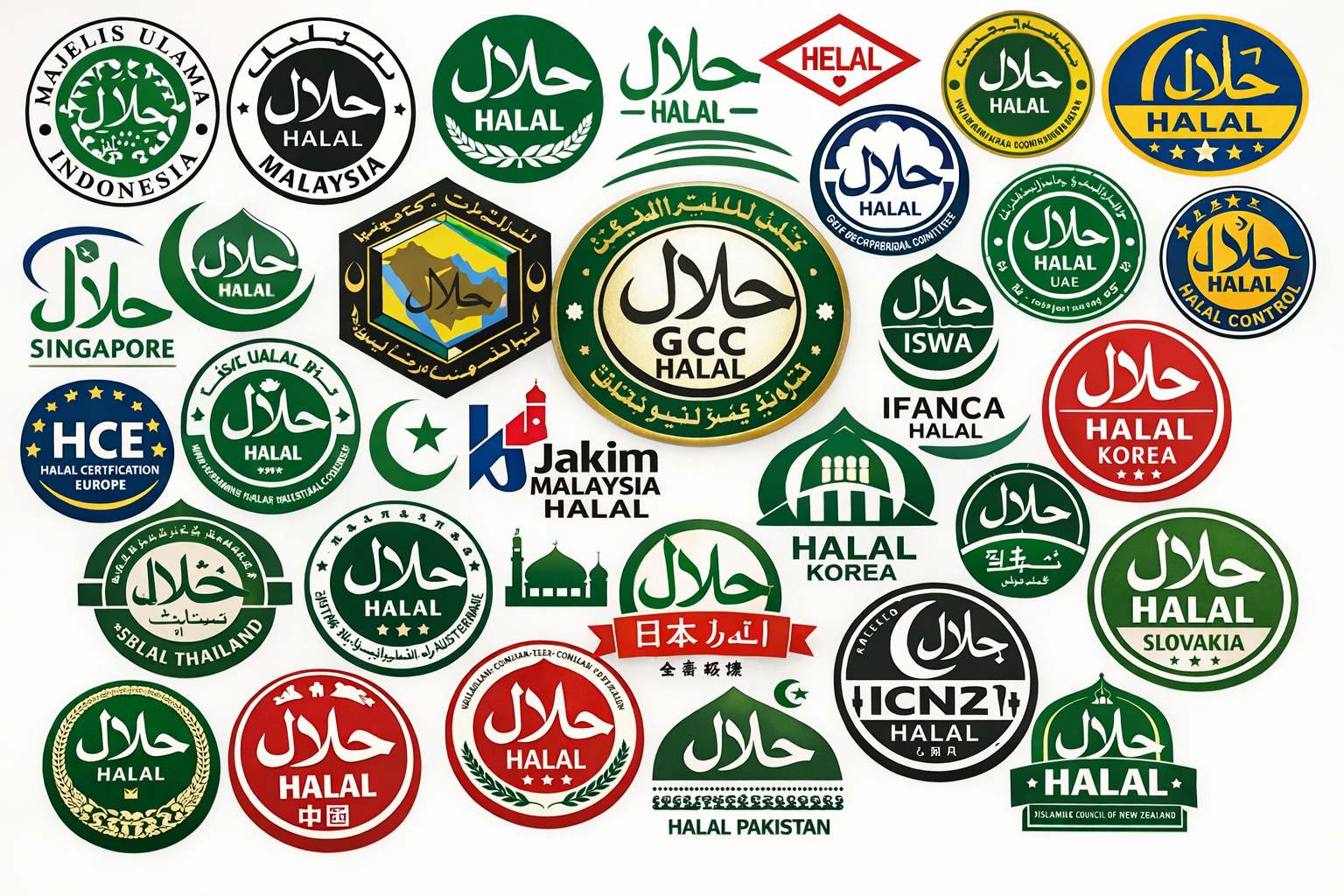
Investment, Trade and Industry Minister Tengku Datuk Seri Zafrul Tengku Abdul Aziz has declared that halal certification represents one of Malaysia’s “red lines” or non-negotiable issues in ongoing trade discussions with the United States. This firm stance underscores Malaysia’s commitment to maintaining religious and cultural standards even within complex international trade negotiations.
The minister emphasized that any agreement regarding halal certificate recognition must align strictly with standards established by the Department of Islamic Development Malaysia (Jakim). Multiple discussions have been conducted with relevant ministries and Jakim specifically addressing the recognition of halal certificates issued by United States entities.
Framework for US Halal Certificate Recognition
Malaysia has developed specific guidelines based on past experience and consultations with US representatives regarding halal certification standards. The minister stated that US-issued halal certificates could potentially gain recognition if they meet Jakim’s requirements and maintain standards similar to those adopted by other countries already recognized by Malaysia.
Tengku Zafrul made clear that any recognition of foreign halal certificates must ultimately come through Jakim’s authorization, maintaining Malaysia’s sovereignty over religious certification standards while potentially allowing for international cooperation within established parameters.
Broader Trade Policy Context
- Prime Minister’s Non-Compromise Stance
This halal certification position aligns with Prime Minister Datuk Seri Anwar Ibrahim’s broader declaration that Malaysia will not compromise on national policies during trade negotiations, even as discussions with the US regarding proposed tariffs continue. The government has established clear boundaries to protect core national policies.
- Protection of Domestic Economic Interests
The red line approach extends beyond religious certification to encompass policies that provide opportunities for local companies and uphold the Bumiputera agenda. This comprehensive stance demonstrates Malaysia’s commitment to balanced economic development while engaging in international trade discussions.
International Trade Challenges and Responses
The minister referenced the National Trade Estimate Report released by the United States, which highlighted several Malaysian policies as potential trade barriers. These include local equity requirements in government procurement, which US officials argue affect market access opportunities for American companies.
Tengku Zafrul addressed US concerns about market openness by emphasizing Malaysia’s need to defend key policies related to ownership requirements, procurement procedures, and trade policy sovereignty. The minister noted that while the US claims their market is open, Malaysia maintains the right to structure its own market access requirements according to national interests.
Intellectual property protection has emerged as a recurring agenda item in bilateral cooperation efforts, representing another area where both countries seek to strengthen collaboration while respecting each nation’s specific requirements and standards.
Strategic Approach to International Negotiations
- Balanced Engagement Philosophy
Malaysia maintains a proactive and open stance in trade negotiations while simultaneously identifying and protecting non-negotiable core interests. This approach allows for constructive international engagement without compromising fundamental national policies.
- Cabinet-Level Policy Coordination
The minister confirmed that these red line positions have been agreed upon at the cabinet level, ensuring government-wide coordination and commitment to maintaining these standards across all relevant ministries and agencies involved in international trade discussions.
Implications for Bumiputera and Local Business Development
The firm stance on trade policies, including halal certification standards, serves to protect Bumiputera interests and ensure that Malaysia’s economic development remains balanced between international engagement and domestic opportunity creation.
This approach reflects Malaysia’s broader strategy of engaging internationally while maintaining policies that support local companies and preserve the country’s ability to direct its economic development according to national priorities and cultural values.
Conclusion
Malaysia’s designation of halal certification as a red line in US trade negotiations demonstrates the country’s commitment to maintaining religious and cultural standards within international economic engagement. This position, supported by comprehensive government coordination and clear authority structures through Jakim, illustrates how nations can balance global trade participation with the preservation of core national values and economic policies.
Original Article:
New Straits Times. (2025, July 23). Zafrul: Halal certification a red line in US trade talks, watch this space. NST. https://www.nst.com.my/amp/news/nation/2025/07/1248912/zafrul-halal-certification-red-line-us-trade-talks-watch