Indonesia and Xinjiang Strengthen Economic Partnership with Focus on Halal Industry
(Source: en.antaranews.com)
KIKT’s Comprehensive Cooperation Framework
The Indonesian Chamber of Commerce’s China Committee (KIKT) has reinforced its dedication to expanding comprehensive economic cooperation with Xinjiang Province across multiple sectors. Deputy Head Jona Widhagdo Putri emphasized that this collaboration extends beyond traditional trade relationships to encompass supply chain development, halal industry strengthening, and the creation of mutually beneficial long-term opportunities for both regions.
Economic and Trade Exchange Conference
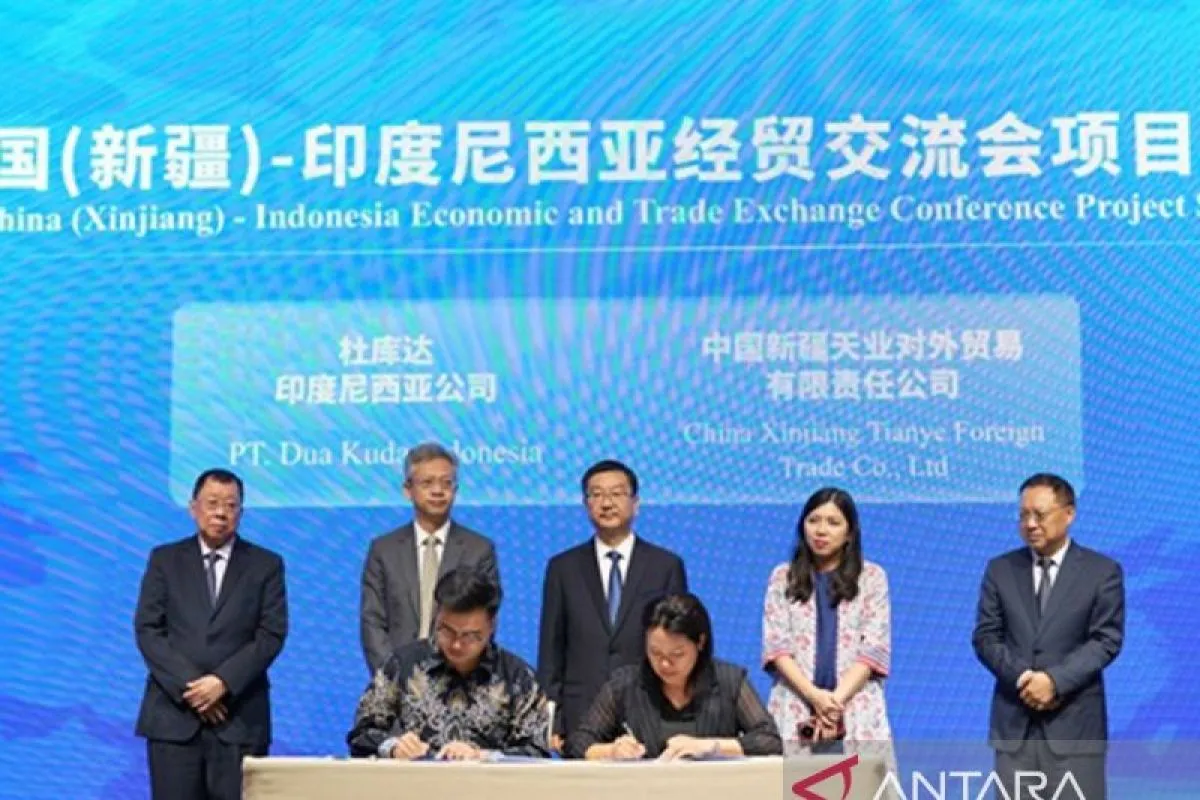
The commitment was prominently featured during the China (Xinjiang)–Indonesia Economic and Trade Exchange Conference conducted in Jakarta on Thursday, August 21. This significant event was jointly organized by KIKT and the Xinjiang Production and Construction Corps (XPCC), bringing together key stakeholders from both regions to discuss enhanced economic cooperation possibilities.
Putri highlighted that the partnership between Indonesia and Xinjiang operates on principles of mutual respect and reciprocity. She noted that both regions share the distinctive characteristic of having substantial Muslim populations, which significantly strengthens the foundation for collaborative efforts and creates natural synergies for halal industry development.
Strategic Alignment and Government Priorities
a. Industrial Compatibility
The partnership demonstrates strong strategic alignment, as Xinjiang’s industrial capabilities in agriculture, logistics, energy, and health sectors correspond closely with the priority areas identified by President Prabowo Subianto’s administration. This compatibility creates opportunities for meaningful cooperation that addresses both regions’ development objectives.
b. KIKT’s Facilitation Role
KIKT has committed to serving as a facilitator for dialogue between the two regions while working to bridge differences in standards and regulations. The organization aims to strengthen the private sector’s contribution to enhancing overall Indonesia-China relations, positioning itself as a catalyst for expanded economic partnership.
Putri expressed ambitious goals for the partnership, stating that with KIKT functioning as the driving force and mutual trust serving as the guiding principle, both regions can advance beyond Indonesia’s 2045 Golden Indonesia vision toward achieving a resilient, inclusive, and prosperous future for both countries.
Bilateral Trade Performance
Chinese Ambassador to Indonesia Wang Lutong provided encouraging bilateral trade statistics, revealing that Indonesia-China trade reached US$62.96 billion during the January-May 2025 period. This figure represents an impressive 11 percent increase compared to the same timeframe in the previous year, demonstrating the robust growth trajectory of economic relations between the two countries.
Ambassador Wang expressed optimism about continued cooperation expansion and emphasized Xinjiang’s commitment to advancing its openness toward East Asia and Southeast Asia. This regional approach positions Xinjiang as an increasingly important partner for Indonesia’s broader economic integration goals.
Government Support and Investment Climate
a. Strategic Partnership Recognition
Investment Promotion Deputy at the Ministry of Investment and Downstreaming, Nurul Ichwan, underscored the significance of strategic cooperation with China, particularly in investment and technology transfer areas. He noted that this partnership had been instrumental in helping Indonesia maintain economic growth during the challenging COVID-19 pandemic period.
b. Investor Support Mechanisms
The Indonesian government maintains its commitment to supporting investors through comprehensive assistance including streamlined permits, well-developed industrial estates, special economic zones, and various financial incentives. These support mechanisms create an attractive environment for expanded Chinese investment, particularly from Xinjiang Province.
Halal Industry Development Focus
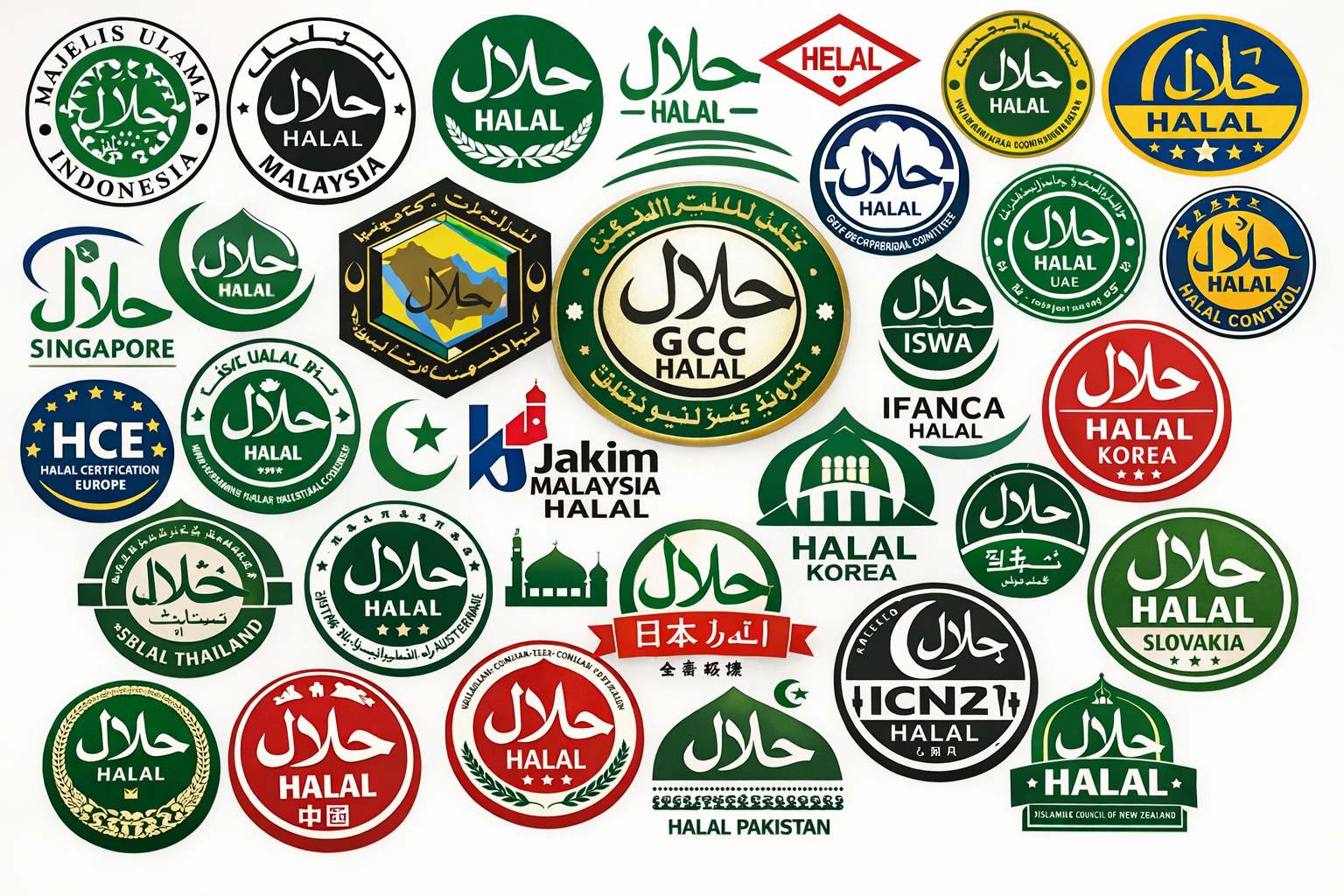
The emphasis on halal industry cooperation reflects both regions’ understanding of their shared Muslim populations and the growing global demand for halal-certified products and services. This focus creates opportunities for specialized collaboration that leverages both regions’ cultural understanding and market knowledge.
The partnership’s focus on supply chain development, particularly in the halal sector, positions both Indonesia and Xinjiang to capitalize on growing international demand for halal products while creating efficient distribution networks that serve both domestic and export markets.
Original Article:
Antara News Agency. (2025, August 24). Indonesia, Xinjiang deepen trade and halal industry cooperation. ANTARA. https://en.antaranews.com/news/375225/indonesia-xinjiang-deepen-trade-and-halal-industry-cooperation