2 Ways to Enter Malaysia’s Halal Market. Which One Fits Your Business Best?
JAKARTA (2026/10/27)
Malaysia is one of the biggest pillars of the global halal industry, and its market keeps growing. In 2022, the country had 12,424 halal establishments generating a gross output of RM417.2 billion and a value added of RM98.2 billion. Total intermediate input reached RM319.0 billion, and fixed assets were valued at RM105.8 billion. The sector employed 610,672 workers, with wages and salaries totaling RM25.1 billion.
Numbers like these explain why Malaysia is one of the most attractive destinations for businesses that want to market halal products. But there is a catch: you have to meet Malaysia’s halal standards before you can enter.
Meet JAKIM, Malaysia’s Halal Gatekeeper
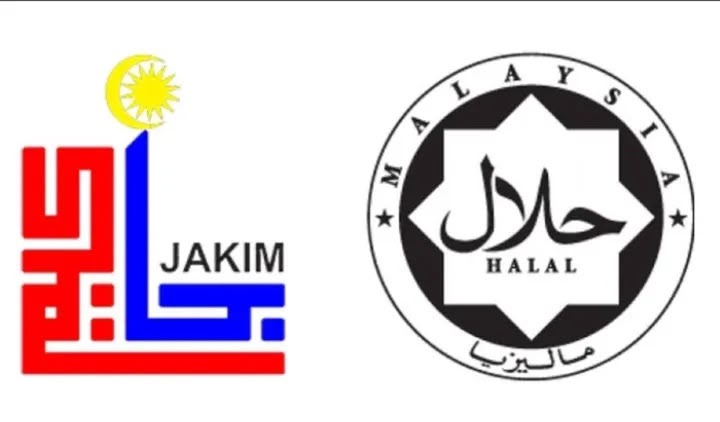
Malaysia has around 22.3 to 23.3 million Muslims, and the authority that oversees their religious affairs is JAKIM(Jabatan Kemajuan Islam Malaysia, or the Department of Islamic Development Malaysia). JAKIM handles matters related to Islam at the federal level, including halal certification.
Any product aimed at Malaysia’s Muslim consumers must meet JAKIM’s halal standards. This applies equally to domestic and international players.
For foreign business stakeholders, there are two main routes to bring products into the Malaysian halal market.
Scheme 1: Halal Recognition and Market Approval via FHCB
This is the fastest and most efficient route. Your product only needs market approval through a Foreign Halal Certification Body (FHCB), an overseas certifier that JAKIM has recognized. Your product is sold with the halal logo from your home country’s FHCB, so you don’t need to put JAKIM’s logo on the packaging. The FHCB also helps handle export-import permits until your product reaches Malaysian shelves.
How to register:
- Get certified at home. Register your product and obtain a halal certificate from an FHCB in your home country. Your product must already be halal-certified before it is imported. Make sure the FHCB is on JAKIM’s recognized list. The latest version is available here: https://www.halal.gov.my/pdf/cb/FHCB21August2026.pdf
- The FHCB registers your product through MyIHAB. The system asks for product details and supporting information, so your company should be ready to supply the required documents. Once everything is complete, the application is submitted for JAKIM’s review.
- JAKIM audits and verifies. If the documents are sufficient, JAKIM conducts an on-site product audit. The results are then sent to JAKIM for final assessment.
- Recognition and market approval are issued. Once your product passes the audit, the certificate is released.
- Export with the FHCB’s halal certificate and logo. With the certificate and JAKIM’s recognition in hand, your product is ready to ship. The FHCB usually manages the export process, but your company still needs to prepare supporting import-export documents such as lab results and import permits.
Scheme 2: Direct Issuance of Halal Certificates by JAKIM
The second option is to apply directly for an official JAKIM halal certificate. It is more complex than going through a recognized FHCB, but it is the right fit for products that want to carry JAKIM’s own certification. It is typically used by products that already have an importer in Malaysia, or by foreign brands that work with local Original Equipment Manufacturers (OEMs) or domestic repackaging facilities.
How to register:
- Create an account on MyeHalal. Ideally, the applicant is a local company or importer that already partners with the foreign company wanting to export.
- Register your product. Fill in the required product data on the platform under the scope that applies to your product.
- Enter your ingredient list in MyHALALINGREDIENTS. In addition to MyeHalal, you must register your ingredients here. This platform holds ingredient information, lab test results, composition details and more, which can be shown during inspections and production checks. All of it is kept in one place, so you don’t have to send documents separately.
- Submit your complete application. Once all data and documents are filled in, submit them through MyeHalal.
- JAKIM conducts a document check and an on-site audit. JAKIM first reviews your submitted documents. When they are complete, it moves on to the on-site audit, and the data gathered is then sent for final review.
- Receive your halal certificate and logo. When every inspection is passed, your product receives the official JAKIM halal certificate and logo.
Essential Requirements to Note Before Importing to Malaysia
Beyond the two schemes, businesses must follow several halal-related regulations to enter the Malaysian market legally.
Malaysia’s core halal standards:
- MS 1500:2019: the basic standard for the general requirements of halal food production, preparation, handling, and storage.
- MHMS 2020 (Malaysian Halal Management System): an internal management system that companies must apply continuously to maintain halal integrity throughout operations.
- MPPHM 2026 (Malaysian Halal Certification Procedure Manual): JAKIM’s official procedural and administrative guide covering how to apply, the schemes, fees, and field audits.
Sector-specific rules:
- Poultry, slaughtered products, and other animal-based products: import approval from the Department of Veterinary Services (DVS) is required.
- Food and beverages: products must comply with the Food Act 1983 and the Food Regulations 1985, and may be subject to random inspections at entry points.
- Cosmetics and health products: these must be registered or notified with the National Pharmaceutical Regulatory Agency (NPRA) under Malaysia’s Ministry of Health. In practice, cosmetics are generally notified to NPRA before being sold, while health products such as traditional medicines and supplements go through registration. Both steps are required in addition to halal certification, not instead of it.
So, Which Scheme Fits You?
- Choose Scheme 1 if you want speed and simplicity, and your home country has an FHCB recognized by JAKIM.
- Choose Scheme 2 if you already have a Malaysian importer or manufacturing partner and want JAKIM’s own logo on your product.
Whichever route you take, start early, prepare your documents carefully, and check the latest requirements before you ship.
Writer: Alhayya Maritza
Editor: Naflah Azizah Wibowo
References:
Department of Statistics Malaysia (2026). Current Population Estimates. Department of Statistics Malaysia: Putrajaya. Retrieved 26 October 2026 from malaysia-launches-myhalalingredients-to-digitize-halal-ingredient-recording
Department of Islamic Development Malaysia (2026). The Recognized Halal Certification Bodies and Authorities. Department of Islamic Development Malaysia: Putrajaya. Retrieved 26 October 2026 from malaysia-launches-myhalalingredients-to-digitize-halal-ingredient-recording
Al Barakah Training Solution (n.d). MYeHALAL & MyHALALINGREDIENTS: Your Complete Guide to JAKIM Halal Certification Success. Retrieved 26 October 2026 from https://al-barakah.com.my/myehalal-myhalalingredients-guide-jakim-certification-malaysia/?srsltid=AYCX9vKdc0egEDe2YeOyQz-nCWxQh39WQGjiVuLYkxiIt_rIhfqtmyhm
Bernama.com (2024). 88 Foreign Halal Certification Bodies Receive JAKIM Accreditation. Retrieved 26 October 2026 from https://bernama.com/en/news.php?id=2348305
Chemlinked (2025). Malaysia Launches MyHALALINGRIDIENTS to Digitize Halal Ingredients Recording. Retrieved 26 October 2026 from malaysia-launches-myhalalingredients-to-digitize-halal-ingredient-recording