Hong Kong Strengthens Its Strategic Role in Belt and Road Through Halal Certification and Trade
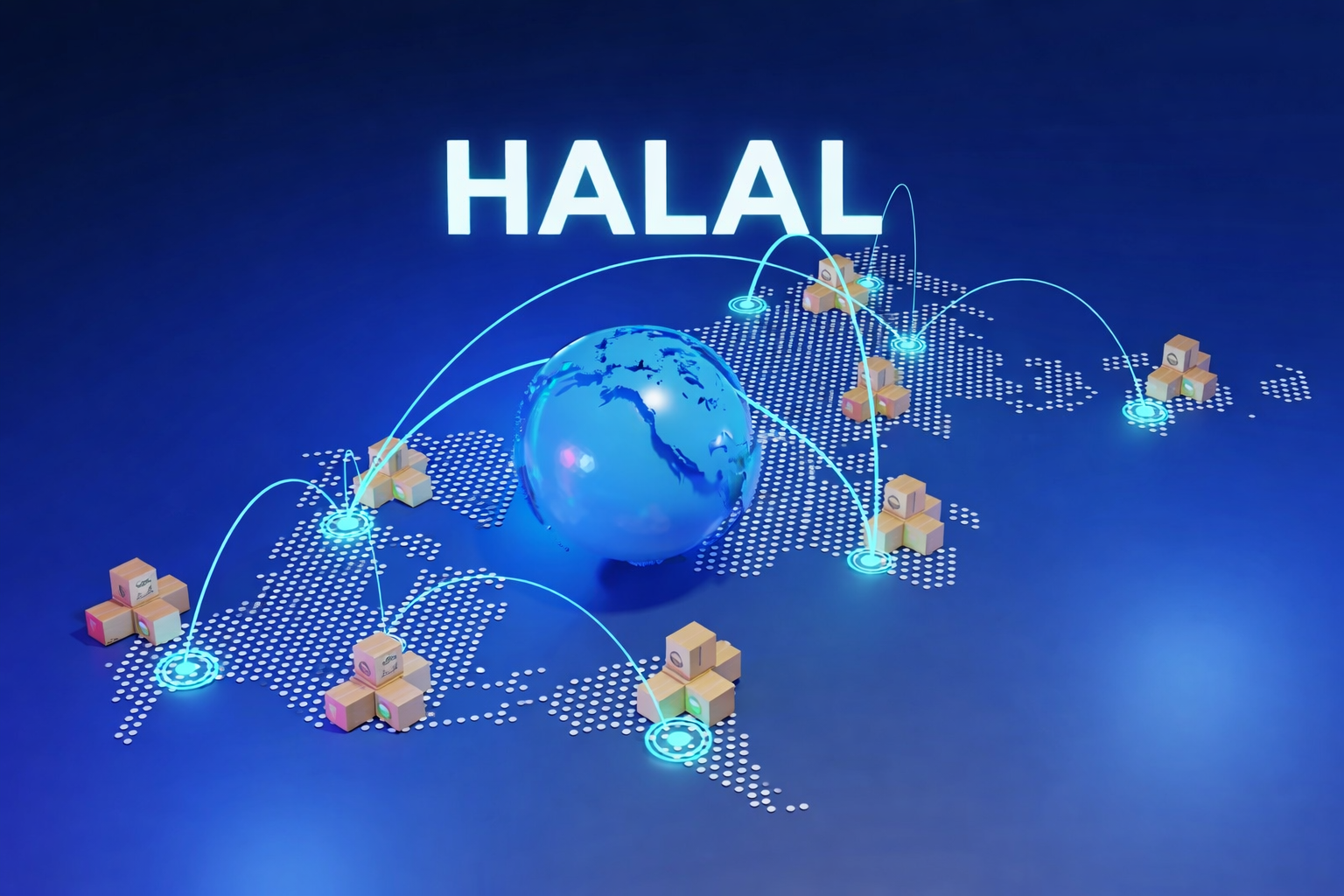
JAKARTA – Hong Kong continues to solidify its position as a premier halal certification hub and Muslim-friendly destination, leveraging its strategic location and established infrastructure to serve as a crucial gateway for halal trade within the Belt and Road Initiative framework. The territory’s comprehensive approach to halal certification has positioned it as a vital link between China and global Muslim markets.
Comprehensive Halal Infrastructure Development
With over 25 years of operational experience in halal certification, Hong Kong has developed an extensive network of approximately 300 certified halal locations spanning multiple sectors. These certified establishments include luxury hotels, dining venues, food manufacturing facilities, and popular tourist attractions, creating a comprehensive ecosystem for Muslim visitors and businesses.
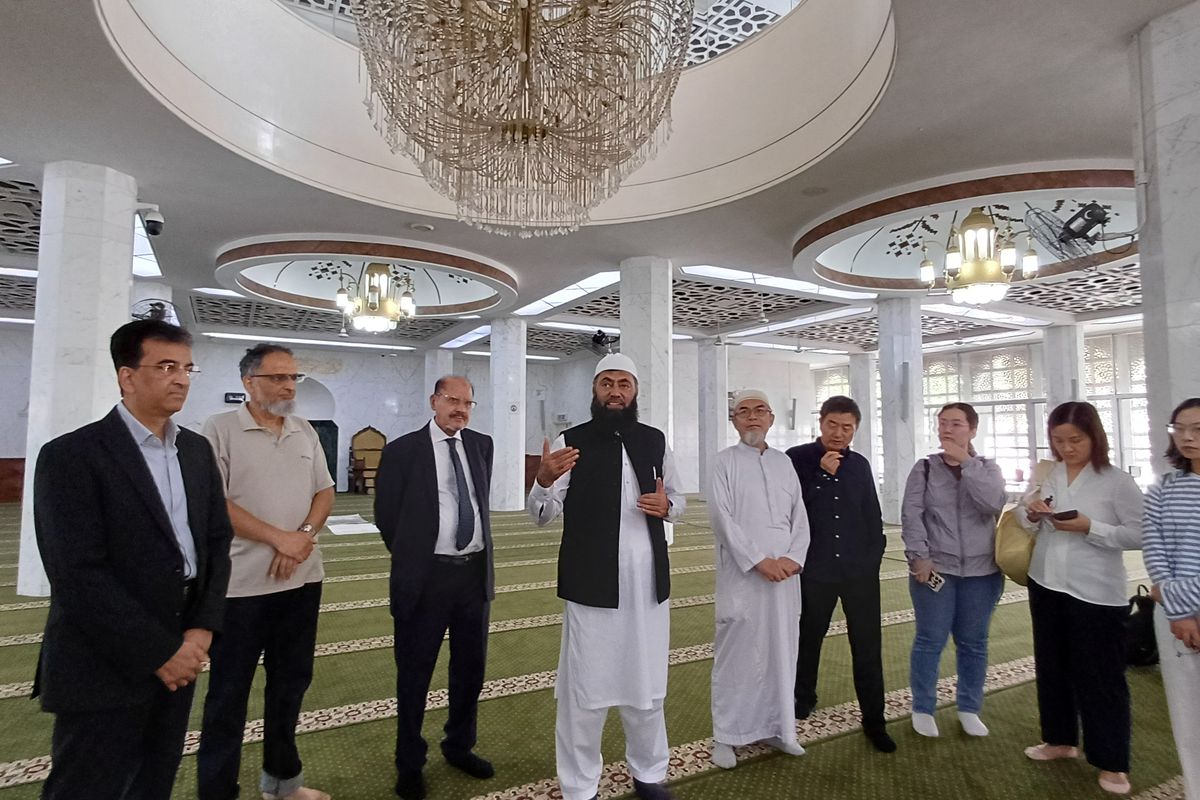
Abdul Rehman, Trustee in-charge of the Halal Section at The Incorporated Trustees of Islamic Community Fund of Hong Kong, emphasized the territory’s significant role in halal export markets. “The halal market in Hong Kong is substantial, particularly for export purposes,” Rehman noted during a recent interview. He highlighted Hong Kong’s primary function as an export corridor, stating, “Hong Kong is predominantly utilized as an export pathway.”
Multi-Tiered Certification System
Hong Kong’s halal certification operates through a sophisticated three-tier system designed to accommodate different business models and consumer needs. The Halal Restaurant certification ensures complete halal compliance in both kitchen operations and dining areas. The Halal Kitchen certification maintains fully halal cooking facilities while allowing dining areas to serve non-halal menu items. The Halal-Friendly Dessert category permits the use of non-halal ingredients in separate preparation areas without contaminating halal food products.
All certifications maintain validity for one-year periods, with unannounced inspections conducted to ensure ongoing compliance with established standards. This rigorous oversight system maintains consumer confidence and international credibility for Hong Kong’s halal certification processes.
Extensive Hospitality and Tourism Integration
The territory’s commitment to Muslim-friendly tourism is evident through more than 60 hotels that provide comprehensive Islamic amenities, including certified halal dining options, dedicated prayer facilities, and Quran availability. These accommodations work closely with the Hong Kong Tourism Board and various tour operators to promote and enhance Muslim-friendly travel services.
The geographic distribution of halal-certified restaurants demonstrates Hong Kong’s comprehensive coverage, with 56 establishments on Hong Kong Island, 67 in Kowloon, 6 in the New Territories, 8 on Lantau Island, 1 on Lamma Island, and 3 at the international airport. Additionally, Macau maintains approximately 25 halal-certified businesses, extending the region’s halal infrastructure.
Religious and Cultural Support Services
During Ramadan, Hong Kong’s Muslim community infrastructure expands significantly to accommodate increased religious observance. Approximately 1,000 individuals receive support for worship and iftar services, with enhanced mosque facilities, religious education classes, and open-house programs. Similar services operate in Macau, including specialized support for Taraweeh prayers and religious observances at designated locations.
These comprehensive religious support services demonstrate Hong Kong’s commitment to serving its Muslim community and visitors beyond commercial considerations, creating a welcoming environment that supports both temporary visitors and permanent residents.
International Recognition and Strategic Positioning
Hong Kong’s efforts in halal certification and Muslim-friendly services have earned international recognition, with the territory being named the world’s best Muslim destination for 2025. Additionally, Hong Kong ranks third among non-Muslim countries in the Global Muslim Travel Index, reflecting its successful integration of Islamic requirements with modern urban infrastructure.
This recognition reinforces Hong Kong’s position not only as a global financial center but also as a strategic export gateway for halal products originating from China and a crucial trade corridor for Belt and Road Initiative member countries seeking access to global Muslim markets.
Economic Impact and Trade Facilitation
The development of Hong Kong’s halal certification infrastructure serves multiple economic functions beyond local consumption. The territory’s role as an export hub enables Chinese manufacturers to access global halal markets through Hong Kong’s internationally recognized certification systems. This function is particularly valuable for Belt and Road Initiative countries seeking to develop their halal export capabilities.
The integration of halal certification with Hong Kong’s existing trade facilitation infrastructure creates synergies that benefit both local businesses and international trading partners. Companies can leverage Hong Kong’s established logistics networks, financial services, and regulatory frameworks while ensuring their products meet Islamic compliance requirements.
Future Development and Regional Integration
Hong Kong’s strategic approach to halal certification and Muslim-friendly services positions the territory to capitalize on growing global demand for halal products and Islamic tourism. The territory’s unique combination of international business expertise, established certification systems, and comprehensive Muslim-friendly infrastructure creates competitive advantages in serving diverse market segments.
The continued expansion of halal certification services and Muslim-friendly facilities supports Hong Kong’s broader economic diversification objectives while strengthening its role within the Belt and Road Initiative framework. This positioning enables the territory to serve as a bridge between Chinese manufacturers and global Muslim consumers, facilitating trade relationships that benefit multiple stakeholders.
The success of Hong Kong’s halal certification program demonstrates how strategic infrastructure development can create new economic opportunities while serving community needs and international trade objectives.
Original Article:
Kompas. (2025, September 16). Dorong Perdagangan dan Sertifikasi Halal, Hong Kong Pertegas Posisi di Belt and Road. Retrieved from https://money.kompas.com/read/2025/09/16/115027626/dorong-perdagangan-dan-sertifikasi-halal-hong-kong-pertegas-posisi-di-belt-and