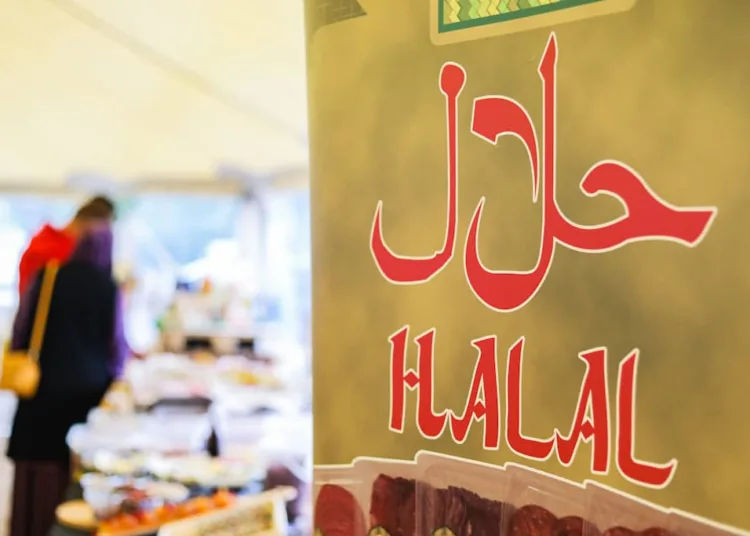
Morocco and Russia: Pioneering a New Era in Global Halal Commerce
How two unlikely partners are reshaping the world’s fastest-growing food certification market?
In the bustling markets of Casablanca and the industrial heartlands of Tatarstan, a quiet revolution is taking place. Morocco and Russia, separated by geography and culture, are forging an unprecedented partnership that could reshape the global halal market—a sector worth more than $2 trillion and growing at breakneck speed.
The Tatarstan Initiative: Russia’s Halal Ambitions
Deep in Russia’s Republic of Tatarstan, where minarets dot the skyline alongside Orthodox church spires, a ambitious plan is unfolding. The region’s Committee for Halal Standards, operating under the Spiritual Administration of Muslims, is setting its sights on Morocco as the gateway to North African and broader international markets.
“We are confidently moving in this direction,” declared Abbas Shlyaposhnikov, chairman of Tatarstan’s halal committee, as he outlined plans that could see the region’s halal exports surge from $14 million in 2024 to $15 million in 2025. While the numbers might seem modest, they represent something far more significant: Russia’s strategic entry into one of the world’s most dynamic food sectors.
Currently, 250 enterprises across Tatarstan are producing halal-certified products, yet only about 20 have ventured into international markets. This untapped potential represents a goldmine waiting to be unlocked through Moroccan accreditation.
Morocco: The Halal Certification Powerhouse
Morocco’s rise as a halal certification authority didn’t happen overnight. The North African kingdom has systematically positioned itself as a bridge between Europe, Africa, and the Middle East, leveraging its unique geographic position and deep Islamic heritage.
At the heart of this strategy lies the Moroccan Institute of Standardization (IMANOR), which has become increasingly influential in setting global halal standards. During the prestigious Halal Morocco Forum in Casablanca in June 2024, IMANOR’s director Abderrahim Taibi painted a vision of Africa capturing a larger share of the booming halal market.
“Morocco and Africa have important potential to increase their share in the global halal market,” Taibi emphasized, highlighting the continent’s largely untapped resources and growing Muslim population.
The Singapore Connection: Building Global Networks
Morocco’s halal diplomacy extends far beyond Russia. In a move that demonstrates the kingdom’s global ambitions, IMANOR signed a recognition agreement with Singapore’s Halal Authority for the “Halal Morocco” mark. This partnership is particularly strategic, as Singapore serves as a crucial hub for Southeast Asian markets, where Muslim populations are rapidly expanding their purchasing power.
The Singapore agreement represents more than just paperwork—it’s a testament to Morocco’s growing reputation for rigorous halal standards that are accepted internationally. This credibility is precisely what makes Moroccan accreditation so valuable for producers like those in Tatarstan.
Vietnam and the Southeast Asian Expansion
Morocco’s halal influence is spreading across continents. In January, Morocco’s Ambassador to Vietnam, Jamale Chouaibi, revealed plans to help Vietnam emerge as a major hub for Islamic-certified goods in Southeast Asia. This initiative showcases Morocco’s evolving role from a regional player to a global halal standards consultant.
The Vietnam partnership is particularly intriguing because it demonstrates how halal certification is transcending traditional religious boundaries, becoming a mark of quality and ethical production that appeals to diverse consumer bases.
Stringent Standards: Morocco’s Competitive Edge
What sets Morocco apart in the crowded halal certification landscape is its uncompromising approach to standards. The National Office for Food Safety (ONSSA) has implemented what industry experts consider some of the world’s most rigorous control systems for imported meat products.
By November 2024, ONSSA had established a comprehensive framework requiring all imported meat to comply strictly with Islamic slaughter standards. This isn’t merely bureaucratic red tape—it’s a carefully constructed system that ensures only countries passing thorough risk assessments can export to Morocco.
The process demands certifications from authorized religious bodies in exporting countries, creating a web of accountability that extends across international borders. This meticulous approach has earned Morocco trust among global Muslim consumers, making its certification a valuable passport to international markets.
The $2 Trillion Opportunity
The numbers behind the global halal market are staggering. With an estimated value exceeding $2 trillion and experiencing steady growth, the halal sector represents one of the few recession-proof industries in the global economy. This growth is driven by several factors:
- Demographic trends: The global Muslim population is expanding rapidly, particularly in developing countries with increasing disposable income.
- Quality perception: Halal certification is increasingly viewed as a mark of quality and ethical production, appealing to non-Muslim consumers.
- Globalization: International trade has made halal products more accessible worldwide.
- Innovation: Companies are developing new halal products across categories, from pharmaceuticals to cosmetics.
Tatarstan’s Strategic Position
Tatarstan’s push for Moroccan accreditation isn’t happening in isolation. The region already secured accreditation from the Gulf Accreditation Centre (GAC) in 2023, demonstrating its commitment to meeting international halal standards. This Gulf connection provides access to some of the world’s wealthiest Muslim markets, while the potential Moroccan partnership would open doors to Africa and beyond.
The region’s diverse industrial base—spanning food processing, chemicals, and consumer goods—positions it well to capitalize on halal market opportunities. With both Islamic heritage and modern industrial capabilities, Tatarstan represents a unique bridge between Russia’s vast resources and global Muslim markets.
Broader Geopolitical Implications
The Morocco-Russia halal partnership reflects broader shifts in global trade patterns. As traditional Western markets become increasingly competitive, countries are seeking new partnerships based on shared values and complementary strengths.
For Russia, facing various international sanctions, halal markets represent alternative trading relationships that aren’t dependent on Western approval. For Morocco, partnerships with non-traditional allies like Russia demonstrate the kingdom’s pragmatic approach to economic diplomacy.
The Future of Halal Commerce
As 2025 unfolds, the Morocco-Russia halal partnership could serve as a model for other unlikely collaborations. The success of this initiative might encourage other countries to look beyond traditional trading partners and explore opportunities in the rapidly growing halal sector.
The implications extend beyond commerce. As halal standards become more globally recognized and accepted, they could influence broader discussions about ethical production, animal welfare, and food safety standards worldwide.
For consumers, this means access to a wider variety of high-quality, ethically produced goods. For producers, it represents access to new markets and opportunities for growth. And for countries like Morocco and Russia, it demonstrates how cultural and religious heritage can become powerful tools for economic development in the 21st century.
The halal revolution is just beginning, and the partnerships being forged today will shape tomorrow’s global food landscape.
Original Article:
Morocco World News. (2025, June 21). Morocco, Russia forge new paths in global halal market. https://www.moroccoworldnews.com/2025/05/198194/morocco-russia-forge-new-paths-in-global-halal-market/