Russia’s Halal Revolution: From Sanctions to Spectacular Growth
How geopolitical isolation sparked an unexpected boom in Islamic-certified food exports, transforming Russia into a major player in the $1.4 trillion global halal market?
The numbers are nothing short of extraordinary. In a single year, Russia more than doubled its halal poultry exports, catapulting from $105 million to $211 million—a staggering 100% increase that has caught the attention of global food industry analysts. But this isn’t just a story about chickens and certification stamps. It’s about how economic necessity, strategic pivoting, and untapped potential have combined to create one of the most remarkable export success stories of the decade.
The Great Pivot: When Crisis Breeds Innovation
Russia’s halal export boom didn’t emerge in a vacuum. As Western sanctions reshaped global trade patterns following geopolitical tensions, Russian agricultural exporters found themselves forced to look beyond traditional markets. What started as economic necessity has evolved into a strategic masterpiece, with halal food exports jumping 80% in 2024 to reach $382 million—a figure that represents just the tip of an enormous iceberg.
Elena Fastova, Russia’s first deputy agricultural minister, revealed these impressive figures during a pivotal industry conference in Kazan, painting a picture of an export sector that has discovered its true calling. “We are only at the beginning of our path,” she emphasized, and the data supports her optimism.
The Poultry Powerhouse: Leading the Charge
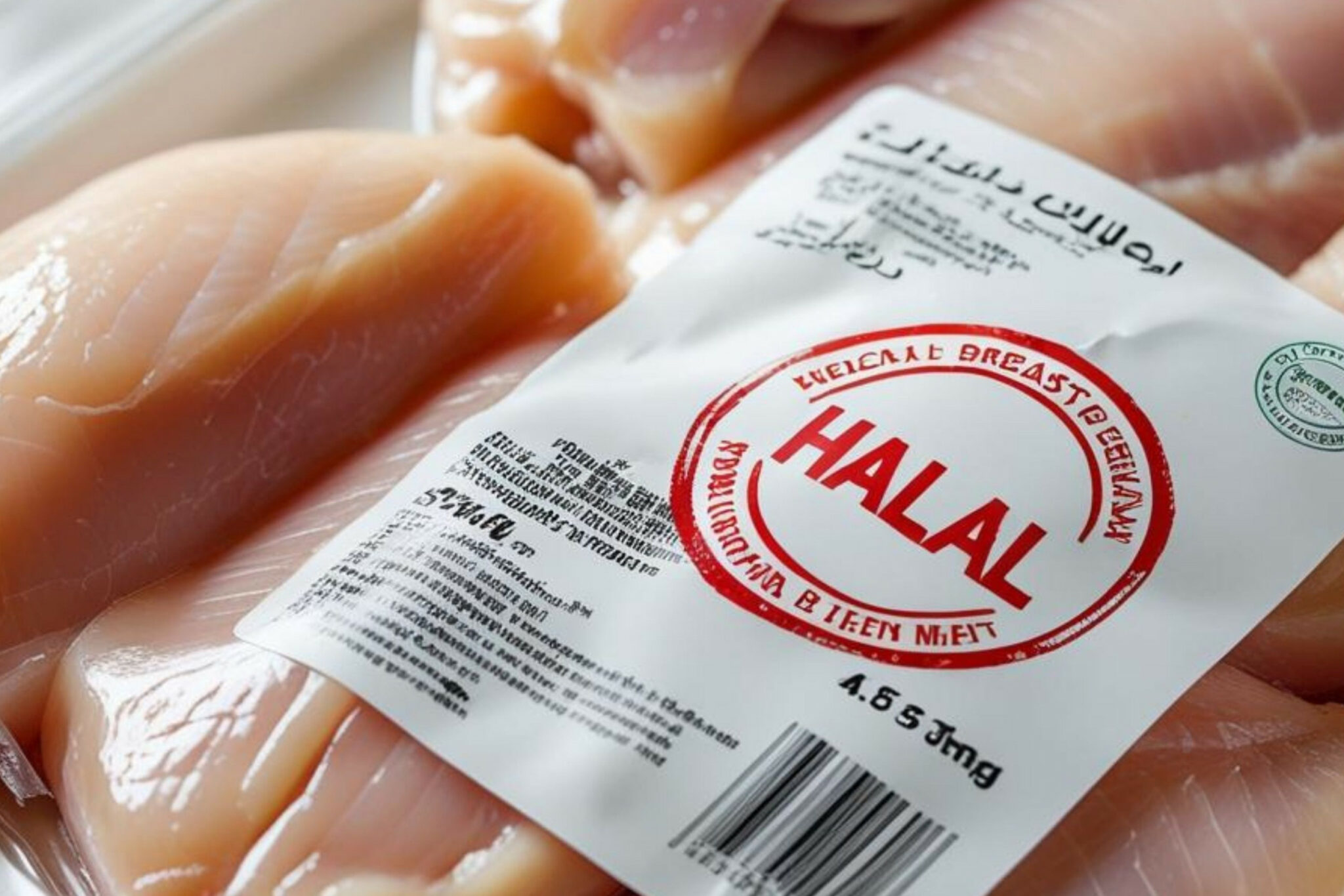
Poultry has emerged as Russia’s halal export champion, accounting for more than half of all Islamic-certified food exports. The sector’s meteoric rise from $105 million to $211 million in just one year reflects both the global appetite for Russian poultry and the country’s ability to scale production rapidly.
This success story extends beyond mere volume. Russian poultry producers have invested heavily in halal-compliant processing facilities, training programs for workers on Islamic slaughter requirements, and sophisticated cold-chain logistics to maintain product integrity across vast distances. The result is an export machine that’s capturing market share from established competitors. But, poultry isn’t operating in isolation. The entire Russian halal export ecosystem is experiencing growth:
- Beef exports surged 80%: From $41 million to $74 million, reflecting Russia’s vast cattle resources and growing processing capabilities.
- Lamb showed steady growth: Rising from $36 million to $41 million, tapping into premium market segments.
- Ready-to-use products expanded 44%: From $9 million to $13 million, indicating diversification into value-added offerings.
The Geography of Opportunity: Mapping New Markets
Russia’s halal export strategy reveals a sophisticated understanding of global Muslim consumer preferences and purchasing power. The primary markets—Saudi Arabia, UAE, and Iran—represent a combination of wealth, population size, and strategic importance.
1. Saudi Arabia offers the prestige of the Islamic world’s spiritual center, where Russian halal certification gains additional credibility through association with Islam’s holiest sites. The kingdom’s Vision 2030 economic diversification plans also create opportunities for long-term partnerships in food security.
2. The UAE serves as a crucial distribution hub for the broader Middle East and North Africa region. Dubai’s status as a global trading center means that success in the UAE market often translates to expanded reach across multiple countries.
3. Iran presents a unique opportunity given its large population, economic sanctions that limit food import options, and geographic proximity to Russian production centers. The relationship offers mutual benefits in navigating international economic pressures.
Breaking New Ground: The Expansion Markets
Beyond these established relationships, Russia is actively cultivating emerging markets that could drive the next phase of growth:
1. Algeria represents North Africa’s largest market by land area, with a growing middle class and limited domestic production capacity. Russian agricultural products could fill crucial gaps in food security.
2. Kuwait offers access to Gulf Cooperation Council markets and serves as a testing ground for premium halal products targeting affluent consumers.
3. Jordan provides a strategic entry point to the Levant region, with established trade relationships and logistics infrastructure that could facilitate broader regional expansion.
4. Egypt presents perhaps the most significant long-term opportunity, with its population of over 100 million people and growing food import requirements. Success in Egypt could establish Russia as a major player in the world’s largest Arab market.
The Certification Challenge: Navigating Complex Standards
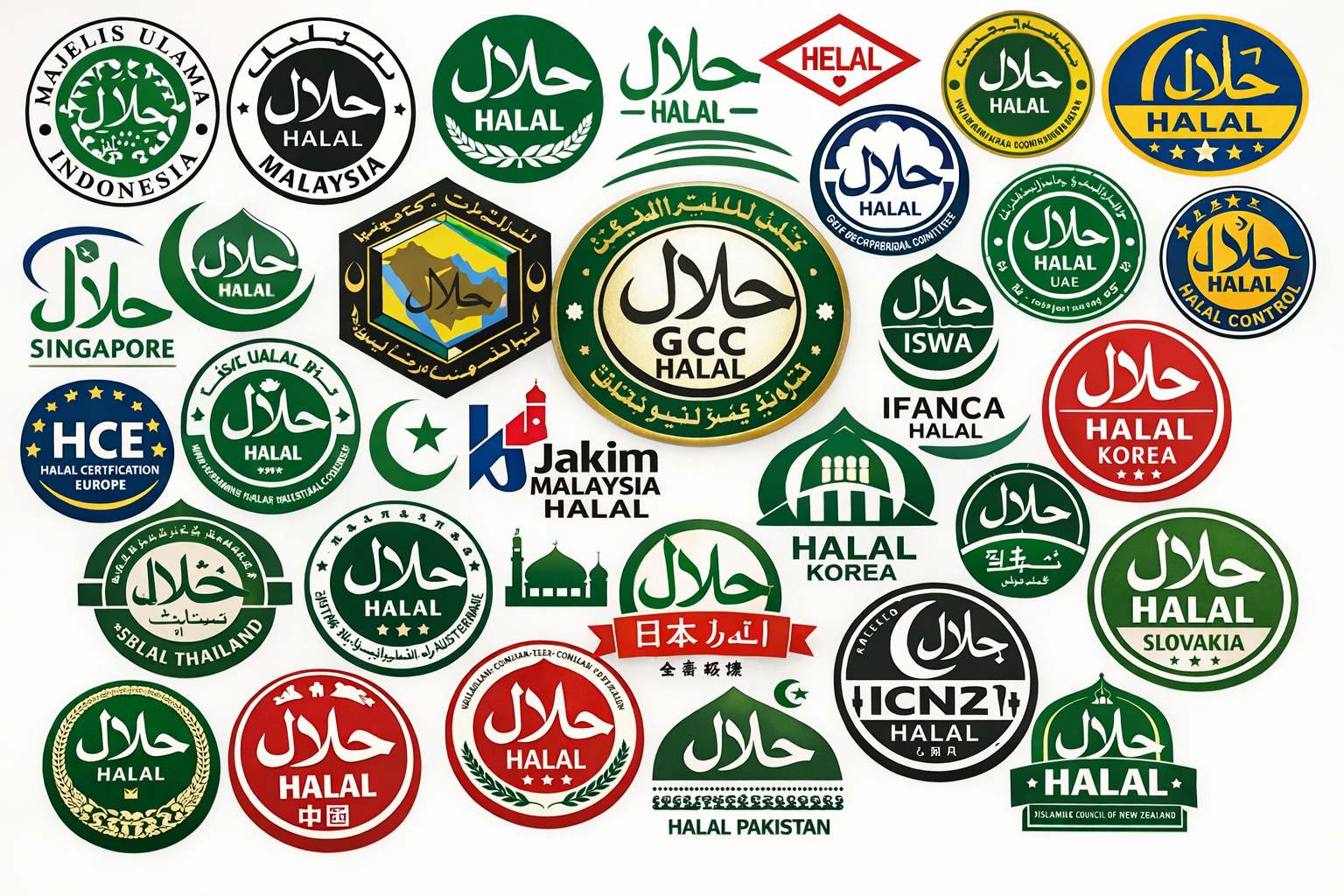
One of the most fascinating aspects of Russia’s halal export strategy is how it’s navigating the complex web of international halal certification standards. Unlike other food safety certifications that tend toward global standardization, halal requirements vary significantly between countries and regions.
Russia currently operates six different halal certification centers, each potentially specializing in different international standards:
- Saudi Arabian standards: Known for their strict interpretation and emphasis on traditional Islamic jurisprudence.
- UAE requirements: Often more commercially oriented while maintaining religious compliance.
- Turkish certification: Bridging European and Islamic standards with modern processing techniques.
- CIS harmonization: Creating regional standards for former Soviet states with Muslim populations.
- Indonesian compliance: The world’s largest Muslim market with unique regional requirements.
This multi-certification approach demonstrates Russia’s commitment to meeting diverse market requirements rather than pursuing a one-size-fits-all strategy.
The Malaysian Frontier: Cracking the Toughest Market
Russia’s ongoing efforts to enter the Malaysian market represent perhaps its biggest certification challenge. Malaysia has developed one of the world’s most sophisticated and internationally recognized halal certification systems, often considered the gold standard for Islamic food compliance.
Malaysian halal standards encompass not just slaughter methods and ingredients, but also:
- Supply chain integrity from farm to consumer.
- Manufacturing facility cleanliness and separation from non-halal production.
- Staff training and awareness programs.
- Ongoing auditing and compliance monitoring.
- Packaging and labeling requirements.
Success in Malaysia would provide Russia with credibility that opens doors throughout Southeast Asia, a region with over 275 million Muslims and rapidly growing purchasing power.
The $26 Billion Vision: Unlocking Untapped Potential
Perhaps the most striking revelation from Ilya Iliyshin, head of Russia’s Agroexport agency, is the estimated potential for Russian halal exports: $26 billion annually. This figure, nearly 70 times larger than current exports, suggests that Russia has barely scratched the surface of its halal market opportunities.
This potential is based on several compelling factors:
- Geographic advantages: Russia’s vast agricultural lands could support massive expansion in halal-compliant livestock production and grain cultivation.
- Resource abundance: The country’s natural resources, from fresh water to fertile soil, provide sustainable foundations for long-term export growth.
- Processing capabilities: Soviet-era industrial infrastructure, when modernized with halal compliance, offers significant production capacity.
- Logistics networks: Russia’s extensive railway and shipping infrastructure can efficiently move products to Muslim-majority regions across Asia and Africa.
Global Context: The $1.4 Trillion Opportunity
Russia’s halal export boom is occurring within the context of explosive global growth in the halal food market, estimated at $1.4 trillion annually. This market is driven by several powerful trends:
- Demographic momentum: Muslims represent 25% of the world’s population and are among the fastest-growing demographic groups globally. By 2050, this percentage is expected to reach nearly 30%.
- Economic development: Muslim-majority countries are experiencing rapid economic growth, creating expanding middle classes with greater purchasing power for premium food products.
- Urbanization: As Muslim populations become increasingly urban, demand grows for convenient, certified halal products rather than traditional local sourcing.
- Quality perception: Halal certification is increasingly viewed as a marker of quality and ethical production, appealing to non-Muslim consumers concerned about food safety and animal welfare.
The Middle East and North Africa region accounts for 30% of global halal food spending—approximately $420 billion annually—making it the most important target market for exporters worldwide.
State-Level Strategy: Government as Export Catalyst
Russia’s approach to halal exports reflects a sophisticated understanding of how government support can accelerate market entry. The Ministry of Agriculture’s commitment to “effectively organize communication between exporting companies and international partners” represents a comprehensive trade facilitation strategy.
This government support includes:
- Diplomatic engagement: High-level government meetings that address regulatory barriers and establish framework agreements for food trade.
- Financial incentives: Export credit and insurance programs that reduce risks for companies entering new halal markets.
- Technical assistance: Government-funded programs helping producers understand and comply with diverse international halal standards.
- Infrastructure development: Investment in inspection facilities, laboratories, and logistics infrastructure specifically designed for halal export compliance.
- Market intelligence: Government agencies providing detailed analysis of consumer preferences, regulatory requirements, and competitive landscapes in target markets.
Innovation and Technology: The Modern Halal Supply Chain
Russia’s halal export success reflects significant technological innovations in food production and supply chain management. Modern halal processing facilities incorporate:
- Automated monitoring systems that ensure continuous compliance with Islamic slaughter requirements while maintaining production efficiency.
- Blockchain technology for supply chain transparency, allowing consumers and regulators to trace products from farm to table.
- Advanced refrigeration and packaging that maintains product quality during long-distance transportation to Middle Eastern and North African markets.
- Digital certification systems that provide real-time verification of halal compliance throughout the production process.
Looking Forward: The 2030 Vision
Russian government projections indicate consistent growth in halal food exports through 2030, suggesting this isn’t a temporary boom but rather the beginning of a sustained expansion. Several factors support this optimistic outlook:
- Market expansion: New bilateral agreements with Muslim-majority countries continue to open additional export opportunities.
- Production scaling: Russian agricultural producers are investing in expanded halal-compliant facilities to meet growing demand.
- Product diversification: Beyond basic commodities, Russia is developing value-added halal products that command premium prices.
- Brand development: Russian halal brands are gaining recognition and consumer loyalty in key export markets.
Challenges and Opportunities Ahead
Despite impressive growth, Russia’s halal export sector faces several challenges that could influence future development:
- Certification complexity: Managing compliance with multiple, sometimes conflicting halal standards across different markets.
- Competition intensification: As the market grows, established exporters from Brazil, Australia, and other countries are strengthening their own halal offerings.
- Logistics costs: Transportation expenses for reaching distant Muslim markets can significantly impact competitiveness.
- Currency fluctuations: Exchange rate volatility affects pricing and profitability in international markets.
However, these challenges are balanced by significant opportunities:
- Market consolidation: Success in key markets could establish Russia as a preferred supplier, creating long-term competitive advantages.
- Premium positioning: Russian products could command premium prices by emphasizing quality, safety, and ethical production.
- Regional partnerships: Cooperation with other exporters could create synergies and shared market development costs.
- Technology leadership: Investment in halal food technology could position Russia as an innovation leader in the sector.
Conclusion: From Necessity to Global Leadership
Russia’s transformation from halal market newcomer to major player in just a few years demonstrates how quickly global food trade patterns can shift. What began as economic necessity—finding new markets amid geopolitical tensions—has evolved into a strategic success story that could reshape Russia’s agricultural export profile for decades to come.
The journey from $382 million to the projected $26 billion in annual halal exports won’t be easy, but Russia’s early success suggests it has the resources, determination, and strategic vision to achieve remarkable growth. As global Muslim populations continue expanding and their purchasing power increases, Russia appears well-positioned to capture a significant share of this enormous market opportunity.
The halal export boom represents more than just trade statistics—it’s a testament to how adaptability, strategic thinking, and government support can transform challenges into unprecedented opportunities. As Russia continues this remarkable journey, the global food industry will be watching closely to see how far this agricultural giant can go in the world’s fastest-growing food market.
Original Article:
Poultry World. (2025, June 22). Russia: Halal poultry exports booming. https://www.poultryworld.net/the-industrymarkets/market-trends-analysis-the-industrymarkets-2/russia-halal-poultry-exports-booming/