Iran Targets International Halal Market Growth via Malaysia’s Premier Industry Exhibition
Source: Iran Press TV
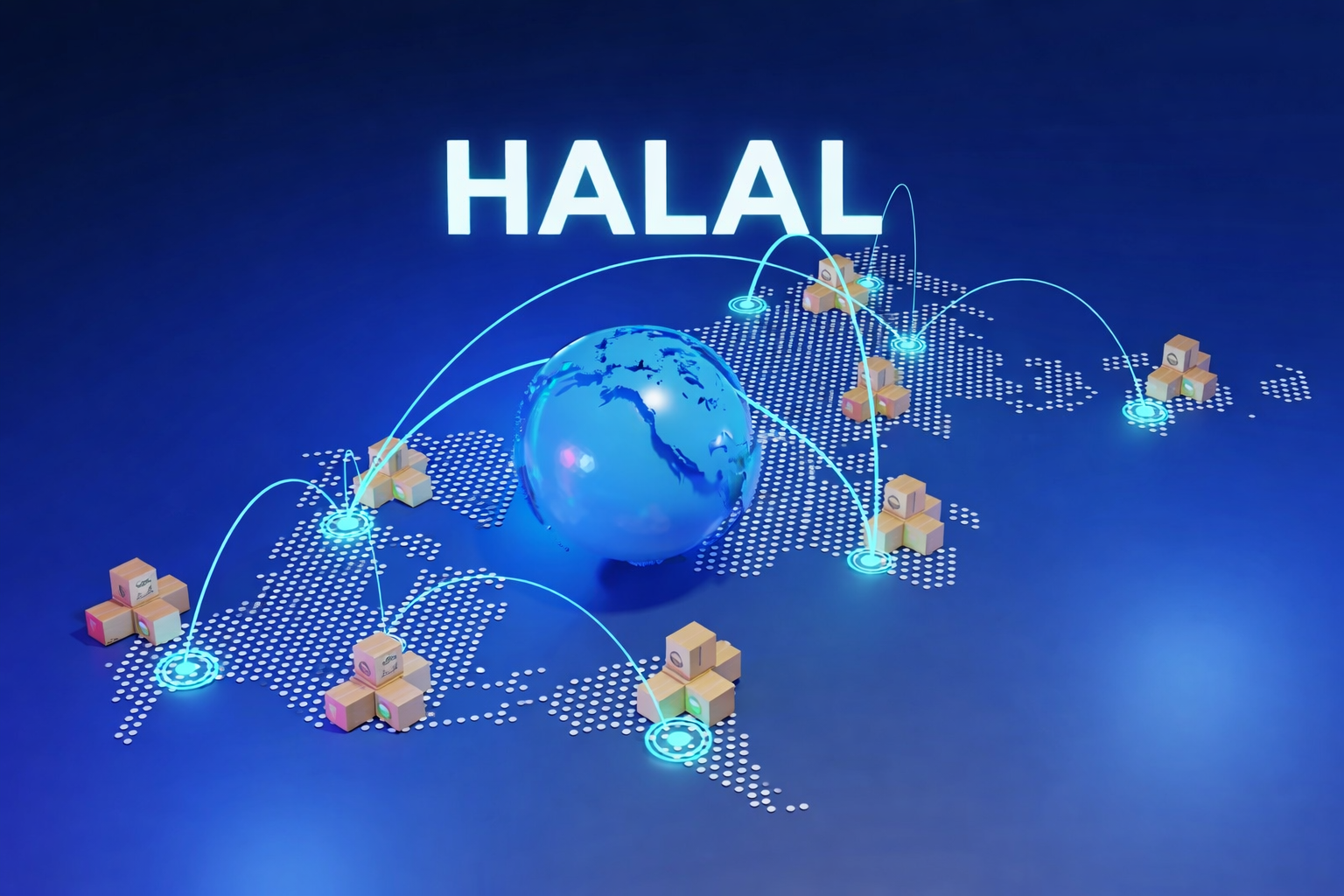
JAKARTA – Iranian knowledge-based enterprises are preparing to make their mark at the 21st Malaysia International Halal Showcase, scheduled for September 17-20, 2025. This strategic participation represents a pivotal moment in Iran’s efforts to establish a stronger foothold in the rapidly expanding global halal economy.
Strategic Platform for Innovation
The Malaysian exhibition, recognized as one of Southeast Asia’s most significant economic events, will provide Iranian companies with an unprecedented opportunity to demonstrate their technological expertise across multiple sectors including food production, pharmaceuticals, and healthcare services. This participation underscores Iran’s commitment to leveraging its innovation-driven enterprises and scientific research capabilities in the international marketplace.
For Iranian businesses, particularly those rooted in research and development, the showcase offers a direct pathway to engage with international audiences, forge strategic partnerships, and identify emerging market opportunities within one of the world’s most economically dynamic regions.
The Growing Halal Market Landscape
As global consumers become increasingly conscious about product origins, manufacturing ethics, and health considerations, halal certification has evolved into a symbol of quality and trustworthiness. Iran’s rich cultural and religious foundation positions the country advantageously to contribute substantially to this expanding global conversation, serving both as a producer and an influential voice in establishing industry standards and practices.
Malaysia’s reputation as the world’s most sophisticated halal economy, supported by advanced certification systems and comprehensive infrastructure, sets the benchmark for industry excellence. Iran’s active participation in this Malaysian event demonstrates its strategic intention to integrate more thoroughly into global halal supply chains while engaging meaningfully with buyers, certification authorities, and policy makers in this thriving market.
Market Potential and Economic Diversification
The international halal market is experiencing unprecedented growth, fueled by demand from Muslim-majority nations and an increasing number of non-Muslim consumers who prioritize ethically manufactured products. This shift in consumer preferences presents Iran with an opportunity to redefine its economic approach, moving beyond reliance on traditional markets and products toward the halal sector’s alignment with contemporary global values emphasizing sustainability, transparency, and social responsibility.
Iran’s abundant agricultural resources, varied climate conditions, and historical trade connections create favorable conditions for becoming a major supplier in this sector. The nation’s capacity to produce diverse raw materials—including premium saffron, pomegranates, organic meat products, and herbal medicines—provides competitive advantages in markets where halal certification increasingly corresponds with quality assurance.
Technological and Scientific Capabilities
Iran’s advancing scientific research and pharmaceutical sectors, along with biotechnology developments, are making significant progress in creating halal-certified medications and medical products. This progress reinforces the country’s potential to diversify and expand its halal market offerings while meeting international quality standards.
However, despite these natural advantages, Iran confronts significant challenges, particularly the lack of a globally recognized national halal certification system. Currently dependent on foreign certifications, Iranian exporters face additional expenses and competitive disadvantages in international markets.
Certification and Infrastructure Challenges
The absence of certification autonomy not only impacts Iran’s market accessibility but also restricts its ability to influence or shape the standards applied to its products. Establishing a credible and internationally accepted halal certification framework—one that reflects Iran’s Islamic jurisprudence while meeting global standards—represents a crucial step toward achieving long-term market competitiveness.
The Malaysian exhibition provides an exceptional opportunity for Iran to observe effective certification systems in operation and explore partnerships that could enhance its own standards. Through engagement with certification bodies, regulatory institutions, and major international buyers, Iranian stakeholders can gain deeper insights into the expectations and mechanisms that define success in today’s halal economy.
Infrastructure Development Needs
The event also emphasizes the broader requirement for infrastructure improvements, including cold-chain logistics, modern packaging solutions, and compliance with international quality standards. These areas require enhancement for Iranian producers to compete effectively in demanding markets.
While product quality may often meet requirements, deficiencies in transportation, storage, and labeling have limited Iran’s ability to expand its export presence. Addressing these shortcomings will require collaborative efforts between public and private sectors, emphasizing innovation, efficiency, and adherence to global benchmarks.
Regional Diplomatic and Cultural Significance
Beyond commercial considerations, Iran’s engagement with Southeast Asia’s halal centers—Malaysia, Indonesia, and Singapore—carries diplomatic and cultural importance. These nations represent substantial consumer markets and significantly influence global halal trends and standards.
The region accounts for approximately half of the worldwide halal market, making relationship building here potentially beneficial for trade agreements, joint ventures, and innovation exchanges. These connections might also support Iran’s ambitions in halal tourism and Islamic finance, sectors increasingly central to the halal economy’s expansion.
Cultural Heritage and Tourism Potential
Iran’s historic cities, religious landmarks, and cultural heritage create natural appeal for halal-conscious travelers, while its developing banking sector has the capacity to expand Islamic finance instruments aligned with global demand.
There exists an underlying cultural ambition as well. Iran’s extensive Islamic scholarship and historical leadership within the Muslim world provide a foundation for developing halal certification based on its own jurisprudence—offering an alternative to the Southeast Asian-dominated system.
Economic Strategy Recalibration
Ultimately, Tehran’s participation in the Malaysia halal showcase reflects a pragmatic adjustment of its economic strategy. Confronting volatile oil markets and international sanctions, Iran seeks diversification by accessing the halal economy’s multifaceted potential across food, pharmaceuticals, cosmetics, and tourism sectors.
These industries offer not only growth opportunities but also greater resilience against external pressures. With focused investments in quality, certification, and infrastructure development, Iran could emerge as more than a regional participant—potentially becoming a respected global leader in the halal sector.
The September exhibition represents a critical juncture where Iran can demonstrate its commitment to quality, innovation, and international cooperation while positioning itself strategically within the global halal economy’s continued expansion.
Original article:
presstv.ir. (n.d.). Iran’s plan for global reach at Malaysia halal expo. Retrieved July 30, 2025, from https://www.presstv.ir/Detail/2025/07/29/752071/Iran%E2%80%99s-plan-for-global-reach-at-Malaysia-halal-expo